In the bustling city of Mumbai, where skyscrapers touch the clouds and life moves at a frenetic pace, finding moments of tranquility can be a challenge. Amongst the chaos, Seema, a dedicated mother and wife, often found herself longing for a touch of nature to bring some calm into her urban apartment. Her story is not unique; many urban dwellers in India face the same dilemma—how to integrate nature into their lives to find solace and happiness amidst the concrete jungle.
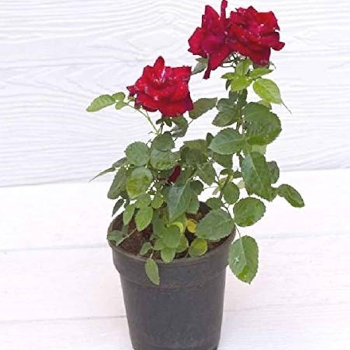
Seema decided to bring a splash of nature into her home by purchasing a red rose plant. This simple act was not just about adding greenery; it was about fostering emotional well-being for her and her family. The red rose plant became a symbol of love, beauty, and tranquility, transforming her living space into a sanctuary of peace.
The primary challenge Seema faced was the lack of a personal, peaceful space amidst the city's hustle and bustle. The red rose plant provided an elegant solution to this emotional challenge. The vibrant blooms of the red rose brought a sense of calmness and aesthetic pleasure to her home. Every morning, she would spend a few moments tending to the plant, finding a sense of grounding and connection to nature. This small ritual became a cherished part of her daily routine, offering her a moment of peace before diving back into the day's chaos.
For many Indian families like Seema’s, the red rose plant serves as more than just a decorative item; it is a source of emotional comfort and joy. The act of nurturing a living plant can be incredibly rewarding. It offers a sense of accomplishment and responsibility, teaching valuable lessons in patience and care. Moreover, the presence of plants in a home has been shown to reduce stress and improve mental health, benefits that are especially valuable for urban residents.
Consider the case of Arjun, a software engineer from Bengaluru, who found solace in his collection of red rose plants. After long hours in front of a computer screen, tending to his roses became a therapeutic escape. The vibrant colors and fragrant blooms provided an antidote to the digital world, offering a sensory experience that rejuvenated his mind and spirit. Arjun's story is a testament to how the red rose plant can alleviate the emotional burdens of a fast-paced lifestyle.
Moreover, the red rose plant holds a significant place in Indian culture, symbolizing love, devotion, and beauty. Gifting a red rose plant is a meaningful gesture, perfect for occasions such as anniversaries, birthdays, or even as a token of appreciation. It’s a gift that keeps on giving, as its blooms continue to grow and bring beauty to any space.
For those concerned about the practical aspects, the red rose plant is relatively low maintenance and can thrive in Indian climates with proper care. It requires a sunny spot, regular watering, and occasional pruning. This ease of care makes it an ideal choice for busy individuals who may not have extensive gardening knowledge or time.
In conclusion, the red rose plant is more than just an ornamental addition to a home; it is a solution to the emotional and practical challenges faced by many urban dwellers in India. By bringing a touch of nature into your home, you can cultivate happiness, reduce stress, and create a personal oasis away from the chaos of the city. Whether you’re like Seema, seeking tranquility, or like Arjun, finding a therapeutic hobby, the red rose plant offers a perfect blend of beauty and emotional fulfillment. So why not brighten your space and your spirit with the timeless charm of the red rose plant? It’s a small investment with a significant return—a blossoming of happiness in every petal.
Visit Vyaparify Site: https://h-id.vyaparify.com/0au0kn81ni5t


 Select Date
 08:00 AM - 08:30 AM, Thursday, Nov 24, 2024
 Indian Standard Time
 Shahanab