Visit Vyaparify Site: https://h-id.vyaparify.com/0au0kn81ni5t
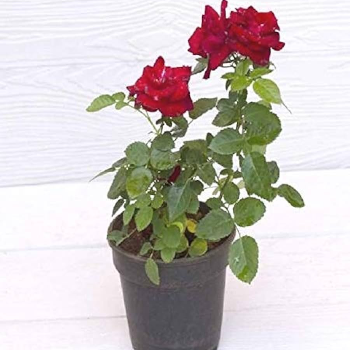
Cultivating Love: How a Red Rose Plant Transformed Anjali's Life
In the bustling city of Mumbai, where life is a never-ending rush, Anjali found herself yearning for a piece of tranquility amidst the chaos. As a marketing executive in her late twenties, her days were filled with deadlines, meetings, and endless phone calls. The constant hustle left her feeling disconnected from her surroundings, and more importantly, from herself. Little did she know that a simple red rose plant would soon become her sanctuary.
Anjali's life took a turn when she stumbled upon a small, charming nursery tucked away in a quiet corner of Bandra. The vibrant colors and fragrant blooms seemed to call out to her weary soul. Amongst the myriad of plants, a single red rose plant caught her eye. Its deep crimson petals symbolized love and passion, qualities Anjali felt had been missing from her life. On a whim, she decided to take it home.
This red rose plant soon became more than just a decorative piece in Anjali's apartment. It became a beacon of hope and a symbol of renewal. Each morning, she would spend a few moments tending to it, feeling a sense of calm wash over her as she watered and cared for her new companion. The simple act of nurturing this plant reminded her of the importance of self-care and mindfulness.
The major problem Anjali faced was emotional disconnection. In a world driven by technology and constant communication, she felt isolated and detached. The red rose plant offered her a practical solution to this emotional struggle. By engaging with nature, Anjali found a way to ground herself and reconnect with her inner emotions. The plant became a silent confidant, listening without judgment as she poured her heart out during moments of introspection.
Anjali's story is not unique. In fact, it echoes the sentiments of many urban dwellers in India who find themselves lost in the daily grind. The pressures of modern life often leave little room for personal reflection and emotional well-being. But as Anjali discovered, the simple act of nurturing a plant can be transformative.
Studies have shown that interacting with plants can significantly reduce stress and promote a sense of well-being. A case study conducted by the University of Agricultural Sciences in Bangalore revealed that individuals who spent time caring for plants experienced lower levels of anxiety and depression. The tactile nature of gardening and the visual stimulation of vibrant colors can stimulate positive emotions, making it a powerful tool for emotional healing.
The red rose plant, in particular, carries a rich symbolism that resonates deeply within Indian culture. Roses are often associated with love and devotion, and their presence can evoke feelings of warmth and happiness. For Anjali, the red rose plant became a daily reminder of the beauty and love that existed in her life, even amidst the chaos.
As Anjali continued to care for her red rose plant, she noticed subtle changes in her life. Her morning ritual of tending to the plant set a positive tone for her day, helping her approach challenges with a newfound calmness and clarity. The plant's growth mirrored her own journey of self-discovery, as she learned to nurture herself with the same care and attention.
In conclusion, the red rose plant became more than just a part of Anjali's home decor; it became a symbol of hope, healing, and connection. For anyone feeling overwhelmed by the demands of modern life, this simple plant can offer a practical solution to emotional disconnection. By embracing the natural world, like Anjali, you can find peace, joy, and a renewed sense of purpose.
If you're ready to bring a touch of nature's magic into your life, consider welcoming a red rose plant into your home. Let it be the catalyst for your own journey of self-discovery and emotional well-being. After all, sometimes, the simplest solutions are the most profound.
Visit Vyaparify Site: https://h-id.vyaparify.com/0au0kn81ni5t
Visit Vyaparify Site: https://h-id.vyaparify.com/0au0kn81ni5t


 Select Date
 08:00 AM - 08:30 AM, Thursday, Nov 24, 2024
 Indian Standard Time
 Shahanab
Comments (0)