In the bustling streets of Bangalore, where life ebbs and flows with the rhythm of the city, lived a woman named Rekha. Rekha, a software engineer by profession, was leading a life that many would envy - a promising career, a loving family, and a cozy apartment in the heart of the city. Yet, there was a void, an emotional distance, that had crept into her relationship with her husband, Arjun. The hustle of everyday life had left their bond frayed, and Rekha yearned for the warmth of connection they once shared.
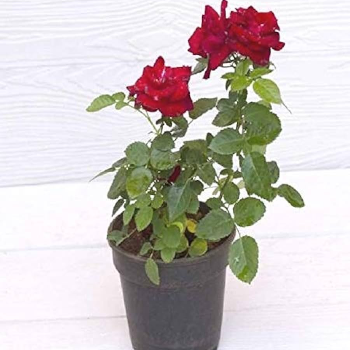
One sunny afternoon, while browsing through a local nursery, Rekha was drawn to a vibrant display of red rose plants. The rich, velvety petals seemed to whisper tales of love and passion. An idea sparked in her mind - could this humble plant reignite the warmth they once knew? Deciding to give it a try, she purchased the red rose plant, hoping it would be more than just a decorative piece.
The red rose, a timeless symbol of love and affection, soon found a special place in their home. Rekha meticulously tended to it, nurturing its growth with the same care she wished to restore in her relationship. Each day, as she watered the plant, she felt a connection blooming within her, a reminder of the love that had always been there, waiting to be rekindled.
Arjun noticed the changes too. The once sterile apartment now had a touch of nature's elegance, and the plant became a focal point for their conversations. They began spending more time together, discussing the plant's progress, sharing stories, and reminiscing about their early days. The red rose plant wasn't just flourishing on the windowsill; it was weaving its magic in their relationship, slowly healing the emotional distance that had grown between them.
Rekha's story is not unique. Many couples, like Rekha and Arjun, find themselves caught in the whirlwind of modern life, where the demands of work and responsibilities overshadow personal relationships. The red rose plant offers a simple yet profound solution to this emotional disconnect. It serves as a daily reminder of love and commitment, encouraging couples to invest time and emotion into nurturing their bonds.
In India, where traditions and emotions are deeply interwoven, the symbolism of the red rose holds significant cultural importance. It is often used in weddings, festivals, and celebrations, symbolizing love, respect, and admiration. Rekha's case study is a testament to how integrating such cultural symbols into our daily lives can help bridge emotional gaps and strengthen relationships.
Moreover, caring for a plant can be a therapeutic experience. It provides a sense of accomplishment and joy, promoting mental well-being. The act of nurturing a living entity fosters patience and compassion, qualities that are essential in maintaining healthy relationships. Rekha found solace in her daily routine of caring for the red rose plant, which in turn, translated into a more compassionate and understanding approach towards her relationship with Arjun.
In conclusion, the red rose plant is more than just a decorative element; it is a catalyst for emotional healing and connection. Rekha's journey shows us that sometimes, the solutions to our deepest problems lie in the simplest of actions. By embracing the beauty and symbolism of the red rose plant, Rekha and Arjun were able to rediscover the love they had thought was lost.
So, if you find yourself yearning for a deeper connection with your loved ones, consider the humble red rose plant. Let it be a reminder of the love and commitment that binds you together, and watch as it helps to bloom the bonds of your relationship, just as it did for Rekha and Arjun.
This blog post is crafted to resonate with readers seeking solutions to emotional disconnects in relationships, using the symbolic power of the red rose plant. Through Rekha's story, it offers a relatable narrative that emphasizes the practical and emotional benefits of nurturing love through simple yet meaningful actions.
Visit Vyaparify Site: https://h-id.vyaparify.com/0au0kn81ni5t


 Select Date
 08:00 AM - 08:30 AM, Thursday, Nov 24, 2024
 Indian Standard Time
 Shahanab