Visit Vyaparify Site: https://h-id.vyaparify.com/kheti
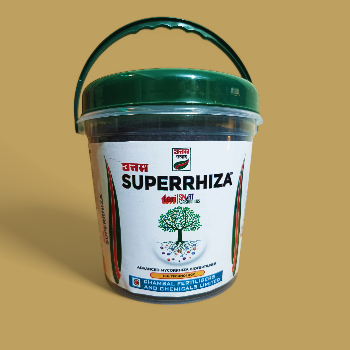
Embracing Nature’s Ally: How Mycorrhiza Transforms Indian Agriculture
In the heart of India's lush rural landscapes, where the rhythm of life is dictated by the cycle of seasons, farmers like Ramesh Patil face an unending battle with soil degradation and dwindling crop yields. Ramesh, a dedicated farmer in Maharashtra, has toiled for decades, witnessing the gradual decline in his farm's productivity. His fields, once abundant with thriving crops, now struggle to produce half the yield they used to.
For Ramesh and many like him, the problem is not just practical but deeply emotional. Farming is not just a livelihood; it's a legacy passed down through generations. The emotional toll of seeing one's land lose its vitality is profound. Yet, amidst this challenge emerges a beacon of hope—Mycorrhiza, a natural ally in the quest for sustainable farming.
The Promise of Mycorrhiza
Mycorrhiza, a symbiotic association between fungi and plant roots, has been silently working its magic beneath the soil for millennia. This natural phenomenon enhances nutrient absorption, boosts soil health, and significantly improves plant resilience against environmental stresses. For farmers like Ramesh, Mycorrhiza represents a chance to restore and rejuvenate their land.
As Ramesh skeptically spread the Mycorrhiza inoculant across his fields, little did he know that he was about to witness a transformation. Within months, he noticed a remarkable change. His crops, once stunted and yellowing, now stood tall and lush. The soil, previously compact and lifeless, felt rich and crumbly, teeming with life. The symbiotic partnership had invigorated his farm, addressing not just the practical problem of low yields but also renewing his faith and hope for the future.
Transforming Indian Agriculture
Ramesh’s story is not an isolated one. Across India, from the fertile plains of Punjab to the arid landscapes of Rajasthan, farmers are turning to Mycorrhiza to combat soil degradation and enhance crop productivity. This natural solution is particularly impactful in regions where excessive chemical fertilizers have led to soil exhaustion and diminished returns.
Take the case of Radha Devi, a smallholder farmer in Uttar Pradesh. Struggling with the high cost of fertilizers and declining soil fertility, Radha was on the brink of abandoning her ancestral land. Mycorrhiza not only improved her crop yield but also reduced her reliance on chemical inputs, leading to increased profitability and sustainability.
The impact of Mycorrhiza extends beyond individual farms. By promoting healthier soils and more resilient plants, it plays a crucial role in combating the broader issues of climate change and food security. Healthier soils act as carbon sinks, helping to reduce greenhouse gases, while robust crops ensure a steadier food supply in the face of unpredictable weather patterns.
A
The success stories of Ramesh and Radha highlight the transformative potential of embracing nature's own solutions. Mycorrhiza offers a sustainable path forward for Indian agriculture, addressing both practical and emotional challenges faced by farmers across the nation.
For those who hold the earth close to their hearts, who see farming not just as a job but as a noble calling, Mycorrhiza is more than just a product. It is a partner in the journey towards reclaiming the health of our land and securing the future of our food systems.
As India's farmers stand at the crossroads of tradition and innovation, Mycorrhiza provides a bridge, allowing them to honor their heritage while embracing the promise of a more sustainable future. In this symbiotic dance of nature and nurture, Mycorrhiza is not just enhancing crop yields but also cultivating hope and resilience in the hearts of farmers across the nation.
So, to every farmer seeking to restore the vitality of their soil and the abundance of their harvest, the message is clear Embrace Mycorrhiza, nature's ally, and witness the miracle of rejuvenation unfold on your land.
Visit Vyaparify Site: https://h-id.vyaparify.com/kheti
Visit Vyaparify Site: https://h-id.vyaparify.com/kheti


 Select Date
 08:00 AM - 08:30 AM, Thursday, Nov 24, 2024
 Indian Standard Time
 Shahanab
Comments (0)