Visit Vyaparify Site: https://h-id.vyaparify.com/kheti
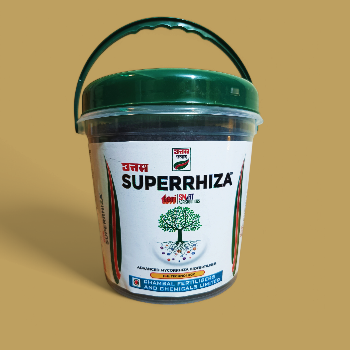
Empowering Farmers with Mycorrhiza: A Game-Changer for Indian Agriculture
In the heart of rural India, under the blazing sun, you’ll find Rajesh, a dedicated farmer with dreams as vast as his sprawling acres of land. Rajesh, like many of his fellow farmers, faces the age-old challenge of maintaining soil fertility while ensuring high crop yields. The struggle is real; traditional farming methods often lead to soil degradation and diminishing returns. But what if there was a way to rejuvenate the soil and increase productivity sustainably? Enter Mycorrhiza—a microscopic ally that promises to revolutionize agriculture for farmers like Rajesh.
The Plight of Indian Farmers
In India, agriculture is not just an occupation; it is a way of life. Yet, farmers face immense pressure to produce more with fewer resources. Soil fertility is a significant concern, with overuse of chemical fertilizers leading to nutrient depletion and reduced soil quality. Rajesh recalls a time when his grandfather’s land produced bountiful harvests. Today, the yields are not as promising, and the soil lacks the vitality it once had. This is where Mycorrhiza comes into play, offering hope and a practical solution to this pressing problem.
What is Mycorrhiza?
Mycorrhiza refers to a symbiotic association between fungi and plant roots. This natural phenomenon enhances nutrient and water absorption capabilities of plants, leading to healthier and more resilient crops. By forming an intricate network with plant roots, Mycorrhiza expands the surface area for absorption, ensuring plants receive essential nutrients even in nutrient-poor soils.
Rajesh’s Transformation Journey
Rajesh first learned about Mycorrhiza at a local agricultural workshop. Skeptical yet hopeful, he decided to conduct an experiment. He treated half of his land with Mycorrhiza while continuing traditional methods on the other half. The results were astonishing. The Mycorrhiza-treated crops were not only healthier but also showed a 30% increase in yield. Rajesh's fields were greener, and the produce was of higher quality.
Rajesh’s story is not unique. Across India, farmers like Meena from Maharashtra and Arjun from Punjab have witnessed similar transformations. Meena, who struggled with water scarcity, found that Mycorrhiza-enhanced plants required less water, a crucial benefit in drought-prone areas. Arjun, on the other hand, noticed improved resistance to pests and diseases, reducing his reliance on chemical pesticides.
The Emotional and Practical Impact
For Rajesh, the benefits of Mycorrhiza went beyond increased yields. It brought peace of mind, knowing that his land could sustain future generations. The emotional burden of declining productivity and financial stress lifted as he saw tangible improvements. Mycorrhiza became not just a practical solution but a symbol of hope and resilience.
Why Mycorrhiza Matters for India
The widespread adoption of Mycorrhiza in Indian agriculture could address several pressing issues. First, it promotes sustainable farming by reducing the need for chemical fertilizers and pesticides, preserving soil health for the long term. Second, it empowers farmers to achieve better yields, directly impacting food security and their economic well-being. Lastly, it aligns with environmental goals by enhancing biodiversity and reducing agriculture’s carbon footprint.
In Rajesh’s village, the word has spread. Farmers gather in the evenings, sharing stories of how Mycorrhiza has transformed their lives. It is more than a product; it is a catalyst for change in Indian agriculture. As the sun sets over Rajesh’s fields, there is a renewed sense of optimism. With Mycorrhiza, the future of farming in India looks brighter, greener, and more sustainable.
Farmers like Rajesh are not just cultivating crops; they are nurturing a legacy for future generations. Mycorrhiza is not just solving a problem; it is sowing the seeds of hope and prosperity across India’s agricultural landscape.
Visit Vyaparify Site: https://h-id.vyaparify.com/kheti
Visit Vyaparify Site: https://h-id.vyaparify.com/kheti


 Select Date
 08:00 AM - 08:30 AM, Thursday, Nov 24, 2024
 Indian Standard Time
 Shahanab
Comments (0)