Visit Vyaparify Site: https://h-id.vyaparify.com/kheti
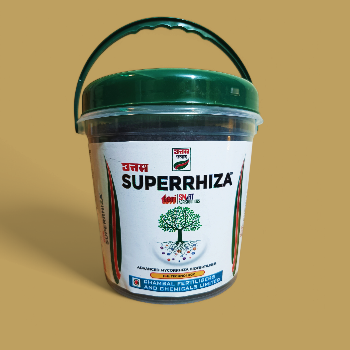
Empowering Indian Farmers with Mycorrhiza: A Game Changer in Sustainable Agriculture
In the vibrant villages of Maharashtra, where the sun casts its golden hue over lush fields, lives a dedicated farmer named Ramesh. Like many others in his community, Ramesh has spent years tending to his land, hoping to achieve a bountiful harvest. However, the challenges have been immense. Despite his relentless efforts, deteriorating soil health and unpredictable weather patterns have often left him with disappointing yields.
Ramesh's story is not unique. Across India, countless farmers face similar struggles. The pressure of meeting growing food demands while preserving the environment has left them seeking sustainable solutions. Enter Mycorrhiza—a natural, symbiotic fungus that promises to transform Indian agriculture.
The primary problem faced by farmers like Ramesh is poor soil health, which directly impacts crop productivity. Over the years, excessive use of chemical fertilizers has degraded soil quality, leading to reduced fertility and increased susceptibility to pests and diseases. This has resulted in lower yields, affecting farmers’ livelihoods and contributing to environmental degradation.
Mycorrhiza offers a practical solution to this pressing issue. It forms a mutually beneficial relationship with plant roots, enhancing nutrient absorption and improving soil structure. This symbiotic association helps plants access essential nutrients like phosphorus and nitrogen more efficiently, fostering healthier and more resilient crops.
Consider the story of Sita, a farmer in Punjab. Frustrated by dwindling crop yields and mounting expenses on chemical fertilizers, Sita decided to try Mycorrhiza. Within a few seasons, she witnessed a remarkable transformation. Her crops were healthier, more robust, and yielded significantly more produce. The improved soil health also meant reduced dependency on chemical inputs, leading to cost savings and a more sustainable farming practice.
The benefits of Mycorrhiza extend beyond just improved yields. By enhancing nutrient uptake, this natural solution helps plants withstand environmental stressors such as drought and disease, making them more resilient in the face of climate change. For farmers like Ramesh and Sita, this resilience translates into a more stable income and greater food security for their families.
Moreover, Mycorrhiza plays a crucial role in reducing environmental impact. By promoting healthier soil ecosystems, it minimizes the need for chemical fertilizers and pesticides, safeguarding biodiversity and reducing pollution. This aligns perfectly with India’s push towards sustainable agriculture and its commitment to combating climate change.
As more farmers embrace Mycorrhiza, the ripple effects are being felt across rural communities. The economic benefits of improved yields and reduced input costs translate into better livelihoods and improved living standards. Additionally, the environmental advantages contribute to a healthier planet, ensuring a sustainable future for generations to come.
For farmers like Ramesh, adopting Mycorrhiza is more than just a farming decision; it’s a step towards empowerment and self-sufficiency. By nurturing their soil and embracing eco-friendly practices, they are not only securing their own futures but also contributing to the greater good of their communities and the planet.
In conclusion, Mycorrhiza is more than just a product; it’s a catalyst for change in Indian agriculture. By addressing the critical issue of poor soil health, it offers a practical, sustainable solution that empowers farmers to achieve better yields and more resilient crops. As we look towards the future, the widespread adoption of such natural solutions holds the promise of a greener, more prosperous India.
So, if you’re a farmer seeking to revitalize your land and secure a sustainable future, consider the transformative power of Mycorrhiza. Join the movement towards eco-friendly farming and be a part of the solution. Together, we can cultivate a better tomorrow for our farmers, our communities, and our planet.
Visit Vyaparify Site: https://h-id.vyaparify.com/kheti
Visit Vyaparify Site: https://h-id.vyaparify.com/kheti


 Select Date
 08:00 AM - 08:30 AM, Thursday, Nov 24, 2024
 Indian Standard Time
 Shahanab
Comments (0)