Visit Vyaparify Site: https://h-id.vyaparify.com/kheti
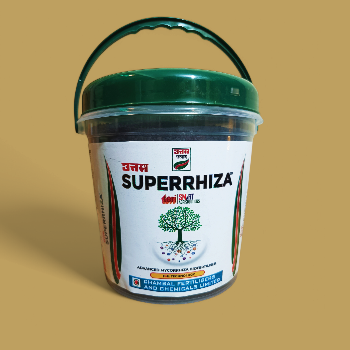
Nurturing Harvests: How Mycorrhiza Transforms Indian Farms
In the heart of rural India, where the vibrant hues of the landscape meet the tireless spirit of its people, agriculture is not just an occupation—it's a way of life. This is where we find Rajesh, a dedicated farmer from Maharashtra, facing a challenge that resonates with countless others like him. Rajesh's fields, once lush and bountiful, have been showing signs of distress. The soil, overworked and depleted of nutrients, struggles to sustain the crops that are the lifeblood of his community. This is a story of hope, resilience, and an extraordinary ally—Mycorrhiza.
Rajesh's journey is emblematic of many Indian farmers who are grappling with the practical problem of soil infertility. This issue, driven by years of intensive farming practices and inadequate replenishment of soil nutrients, has left many farmlands barren and unproductive. For Rajesh, this is more than just an agricultural challenge—it's an emotional burden. The fear of dwindling yields and the anxiety of an uncertain future weigh heavily on his shoulders.
Enter Mycorrhiza, an unsung hero in the world of sustainable agriculture. Mycorrhiza is a type of beneficial fungi that forms a symbiotic relationship with plant roots, enhancing nutrient absorption and fostering soil health. For Rajesh, this discovery was nothing short of revolutionary. By integrating Mycorrhiza into his farming practices, he found a natural and effective solution to revitalize his soil and boost his crop yields.
The transformation was astonishing. As the Mycorrhiza worked its magic beneath the surface, the once weary fields began to flourish. Rajesh noticed a remarkable improvement in the overall health and resilience of his crops. The plants were not only greener but also more robust, capable of withstanding environmental stresses. With time, the yield improved significantly, rekindling Rajesh's hope and reaffirming his faith in sustainable farming practices.
But Rajesh's story is not an isolated one. Across India, farmers are turning to Mycorrhiza as a beacon of hope in their fight against soil infertility. Consider the case of Priya, a farmer in Tamil Nadu, who faced similar hurdles. With the introduction of Mycorrhiza, Priya saw an impressive increase in her rice production, allowing her to support her family and invest in better farming equipment.
The benefits of Mycorrhiza extend beyond just yield improvement. It enhances the soil structure, promotes biodiversity, and reduces the need for chemical fertilizers, making it an eco-friendly choice for sustainable agriculture. This not only helps in maintaining the ecological balance but also significantly reduces farming costs, providing a financial reprieve to farmers who struggle with fluctuating market prices.
From the lush fields of Punjab to the arid lands of Rajasthan, Mycorrhiza is making its mark, fostering a green revolution that aligns with nature. For farmers like Rajesh and Priya, it represents a partnership with nature that promises sustainability and prosperity, a solution that addresses both the practical and emotional challenges of modern-day farming.
In conclusion, Mycorrhiza is more than just a product—it's a movement towards a sustainable future for Indian agriculture. It empowers farmers, enriches the soil, and ensures a bountiful harvest, season after season. As Rajesh stands amidst his thriving fields, he knows that he is not alone in his journey. With Mycorrhiza, he has found an ally that nurtures both his land and his dreams.
In the ever-evolving narrative of Indian agriculture, Mycorrhiza is a chapter of hope and renewal, a testament to the resilience of farmers and the boundless potential of nature's allies. As more farmers embrace this natural wonder, the promise of a greener, more sustainable future seems not just possible, but inevitable.
Visit Vyaparify Site: https://h-id.vyaparify.com/kheti
Visit Vyaparify Site: https://h-id.vyaparify.com/kheti


 Select Date
 08:00 AM - 08:30 AM, Thursday, Nov 24, 2024
 Indian Standard Time
 Shahanab
Comments (0)