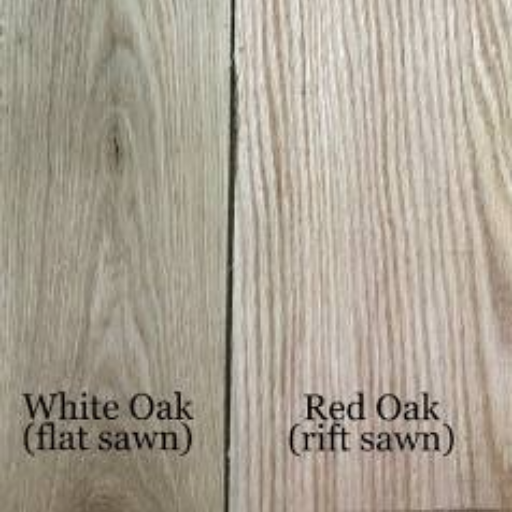
White oak is a durable, versatile wood used for furniture, cabinetry, flooring, and barrels, notes Faith Lumber. Its natural resistance to moisture, decay, and insects makes it ideal for both indoor and outdoor applications like joinery, and its unique cellular structure is perfect for making wine and whiskey barrels. It is also a strong choice for structural timbers, architectural millwork, and boats.
Common uses of white oak
Furniture: Valued for its strength and resistance to scratches and dents, white oak is used for a wide range of furniture due to its durability and attractive grain.
Cabinetry and doors: It is frequently used for making kitchen cabinets, interior trim, and entry doors.
Flooring: The wood's durability, wear resistance, and ability to hold stain make it a popular choice for flooring that can be used in various rooms.
Barrels: Its cellular structure is ideal for aging wine and whiskey, as it imparts flavor while its natural resistance to moisture and decay keeps the barrels intact.
Structural and exterior projects: Its durability makes it suitable for outdoor structures, structural timbers, boatbuilding, and joinery, as it holds up well against weathering and insects.
Architectural millwork: Used for elements like mouldings and panelling.
Durability and strength: White oak has high strength, making it very resistant to dents, scratches, and wear from heavy use. Its hardness makes it a great choice for high-traffic areas, and it can withstand structural loads.
Water resistance: Due to its smaller, closed-grain pores, white oak is naturally resistant to water absorption and rot. This makes it an excellent choice for outdoor applications, humid environments, and is the standard for whiskey and wine barrels.
Resistance to decay and insects: The wood contains natural tannins that inhibit fungal growth and repel insects like termites. This adds to its longevity, especially in outdoor settings.
Versatile aesthetics: White oak has a naturally warm color and an attractive grain that works well with various design styles, from traditional to modern. It can be finished in a variety of ways to achieve different looks.
Longevity and low maintenance: Its durability means it can last for decades with minimal care. For flooring, this can lead to long-term cost savings by reducing the need for frequent refinishing or replacement.
Commercial and environmental value: It is a commercially valuable wood, and it is often sourced from sustainably managed forests.