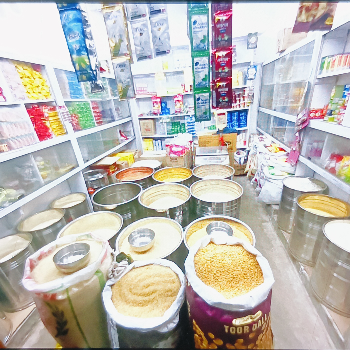
Daily Essentials Grocery Collection
Discover a wide range of high-quality daily essentials at Sahoo Store. Our fresh grocery collection is perfect for all your household needs. Enjoy convenience and quality in one place.
₹450
Product Details
At Sahoo Store, located at PLOT NO 77 5457 NAYAPALLI GADASAHI, we offer an extensive collection of daily essentials grocery products. Whether you need fresh fruits, vegetables, or packaged goods, our selection guarantees quality and taste. Shop for all your daily needs conveniently under one roof and enjoy unbeatable value every day.
Features & Benefits
- Fresh and high-quality products
- Wide variety of grocery items
- Affordable prices guaranteed
- Convenient shopping experience
- Local delivery options available
How to Use
Explore our selection online. Choose products you need. Add to your cart. Proceed to checkout. Enjoy quick delivery to your doorstep.
Our Daily Essentials Grocery Collection includes fruits, vegetables, grains, and packaged goods, ensuring a complete grocery shopping experience.
Simply visit the website, add items to your cart, and proceed to checkout for seamless online shopping.
Yes, we provide local delivery options to ensure your groceries reach you conveniently at your doorstep.
We accept various payment methods including credit cards, debit cards, and other secure online payment options.
Absolutely! We ensure that all our groceries are sourced fresh and meet high-quality standards for your satisfaction.


 Select Date
 08:00 AM - 08:30 AM, Thursday, Nov 24, 2024
 Indian Standard Time
 Shahanab