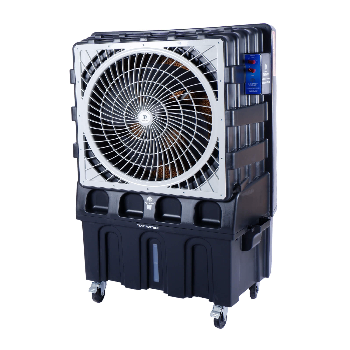
High-Performance Air Cooler
Beat the heat with our High-Performance Air Cooler. Designed for rapid room cooling, it combines efficiency with advanced features to ensure maximum comfort during hot days. Perfect for any setting, this cooler is your ideal summer companion.
₹50,000
Product Details
Our High-Performance Air Cooler ensures fast and efficient room cooling, making it perfect for the sweltering summer months. With cutting-edge technology, it provides a refreshing breeze, lowering temperatures swiftly while consuming minimal energy. Conveniently located at PLOT NO 533 INDUSTRIAL AREA PHASE 2, this cooler is designed to cater to various spaces, from small rooms to larger areas, ensuring comfort for all.
Features & Benefits
- Rapid cooling for immediate comfort
- Energy-efficient operation
- Easy-to-use control options
- Compact design saves space
- Low noise for peaceful environments
How to Use
Position the cooler in a well-ventilated area. Fill the water tank to the recommended level. Plug in the cooler and select the desired settings. Allow it to cool the room for optimal comfort.
It's advisable to change the water every 1-2 days for optimal performance and hygiene.
Yes, our air cooler is designed for minimal energy consumption, helping you save on electricity bills.
No, the cooler requires water to function effectively. Operating it without water may damage the unit.
Regularly clean the water tank and filters using mild soap and water. Ensure they are completely dry before reassembling.
This cooler is ideal for small to medium-sized rooms and can effectively cool areas like living rooms, bedrooms, and offices.


 Select Date
 08:00 AM - 08:30 AM, Thursday, Nov 24, 2024
 Indian Standard Time
 Shahanab