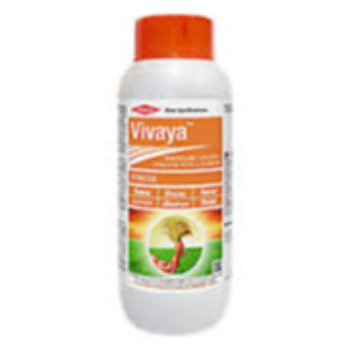
Radon Weed Control Pesticide for Rice Plants
Radon Weed Control Pesticide is formulated to tackle weed problems in transplanted rice. This powerful herbicide is easy to use, enhancing crop yield and growth.
₹1,500
Product Details
Radon Weed Control Pesticide is your ideal solution for effective weed management in transplanted rice. This pesticide promotes healthier crop growth while combating stubborn weeds. With usage simplicity and high efficacy, it transforms your rice cultivation experience. Offering maximum yield, this product is available at H NO 5 100 P 5AAGAPETA ROADNARMETTA NEAR WINES. Protect your rice plants and enhance their health with Radon's trusted formula.
Features & Benefits
- Highly effective against stubborn weeds
- Safe for rice plants and environment
- Promotes healthy growth of crops
- Easy to apply with long-lasting results
- Boosts overall yield of rice crops
How to Use
Shake well before use. Mix the pesticide with water. Apply uniformly to the affected area. Avoid application during rainfall.
Radon Weed Control Pesticide is a specially formulated herbicide designed to effectively control weeds in transplanted rice, promoting healthier crops.
Mix the recommended amount of Radon pesticide with water and spray it evenly over the affected areas of your rice fields for optimal results.
Yes, Radon Weed Control Pesticide is designed to be safe for rice plants while effectively controlling unwanted weeds, ensuring healthy crop growth.
You can purchase Radon Weed Control Pesticide from various agricultural supply stores or directly at locations like H NO 5 100 P 5AAGAPETA ROADNARMETTA NEAR WINES.
Application frequency depends on the specific weed growth. Typically, it is advised to reapply after 2-4 weeks if weeds persist.


 Select Date