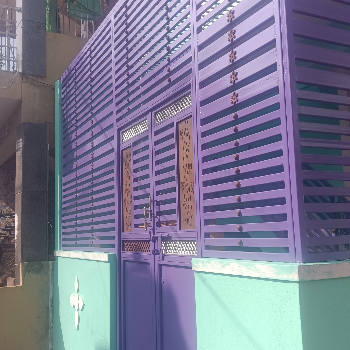
Premium Welding Doors - Heavy-Duty Protection
Our Premium Welding Doors provide unmatched safety and durability for your industrial workspace. Crafted with high-quality materials, these doors are essential for effective welding operations, ensuring maximum protection against hazards.
₹10,000
Product Details
Madiha Engineering Works Chintamani Road Opp Kempe Gowda Office Sidlaghatta brings you Premium Welding Doors designed for heavy-duty industrial protection. Built from high-grade steel, these doors ensure superior safety during welding operations. Their robust construction withstands extreme conditions and provides thermal resistance, making them ideal for industrial use. Enhance your workspace today with our premium solutions.
Features & Benefits
- Heavy-duty steel construction
- Thermal resistant properties
- Ensures workplace safety
- Corrosion and rust-resistant
- Easy to install and maintain
How to Use
Install in a suitable location. Ensure proper alignment. Use appropriate fastening methods. Check for functionality post-installation. Regularly clean for longevity.
Some of the best steel door brands in India include Madiha Engineering, Godrej, and Tata Pravesh. Each brand offers durable options tailored for various needs.
The price for premium welding doors varies based on size and specifications, generally starting around INR 15,000 to INR 30,000. Contact us for accurate pricing.
Regular maintenance includes cleaning the surface to prevent rust, checking hinges for smooth operation, and ensuring seals are intact to maintain strength and safety.
Our doors are crafted from high-grade steel, feature advanced rust and thermal resistance, ensuring unmatched durability, safety, and long-term investment value.
You can purchase premium welding consumables directly from our website or visit Madiha Engineering Works for personalized assistance and product selection.


 Select Date
 08:00 AM - 08:30 AM, Thursday, Nov 24, 2024
 Indian Standard Time
 Shahanab