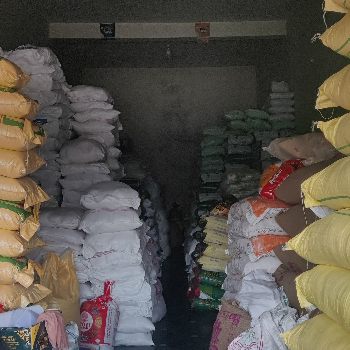
High-Performance Rice Mill Machine for Efficient Processing

Rice mill


₹ 1600 0% off
₹ 0

This high-performance rice mill is designed for efficient paddy processing, delivering cleaner grains with minimal breakage and waste. Ideal for small businesses, commercial mills, and farm owners, it ensures consistent output and improved yield every day. The sturdy build and user-friendly controls make daily operation smooth, even for new users or helpers. Low maintenance requirements help reduce downtime and running costs over time for your unit. Its compact design optimizes available space while still handling significant volumes per hour. Whether you process rice seasonally or throughout the year, this rice mill supports reliable, long-term use at GROUND FLOORD NO 15 APMCYARD D BLOCK BESIDE ARS COMMERCIALS NEAR APMC YARD D BLOCK.

High milling efficiency with reduced grain breakage
Sturdy construction for long-term, heavy-duty use
User-friendly controls for quick, simple operation
Low maintenance design reduces downtime and costs
Compact footprint saves space in milling units
Improved yield for better profitability per batch

Place the rice mill on a stable, level surface and ensure proper electrical connection with recommended voltage. Clean the inlet and outlet before use. Pour cleaned paddy grains into the hopper gradually while the machine is running. Adjust settings for desired polish level. After each session, turn off the power, allow the machine to cool, and clean internal and external parts to remove dust, husk, and residue.

A rice mill is a machine that removes husk and bran layers from paddy to produce polished rice. Paddy grains are fed through a hopper into rotating rollers or abrasive surfaces. These separate husk and bran from the kernels, and cleaned rice exits through an outlet while waste is collected separately.

Most commercial rice mill machines can process different paddy varieties, including long-grain, medium-grain, and local hybrid types. The best rice for milling is clean, properly dried paddy with uniform moisture content, usually around 12–14%. This helps reduce grain breakage, improve polish quality, and increase overall milling yield for your business.

The rice mill process typically includes cleaning, dehusking, paddy separation, polishing, and grading. First, impurities like stones and dust are removed. Then husk is separated from paddy, brown rice is polished to remove bran, and finally rice is sorted by size or quality. Each step improves rice appearance, taste, and market value.

A rice mill business can be profitable when there is steady paddy supply, proper machinery selection, and good operational management. Profitability depends on factors like local demand, milling charges, power costs, wastage control, and yield percentage. Using an efficient rice mill that reduces breakage and improves output quality helps increase margins and customer satisfaction.

To maintain a rice mill, clean the machine thoroughly after each use, removing husk, dust, and leftover grains. Check belts, bearings, and rollers regularly for wear. Lubricate moving parts as recommended in the manual. Ensure proper voltage and avoid overloading the hopper. Periodic professional servicing helps prevent breakdowns and extends machine life.