Advanced Fire Sprinkler System for Complete Protection
A fire sprinkler system specification outlines the technical details for designing, installing, and maintaining a fire suppression system using sprinklers. It includes design criteria, installation guidelines, material specifications, and performance requirements to ensure effective fire protection. Key aspects include determining water supply, sprink
From ₹10
₹0
0% OFF
Product Details
This fire sprinkler system is a comprehensive fire protection solution designed for homes, offices, warehouses, and industrial facilities of varied sizes. It combines reliable automatic detection with fast water discharge to control or extinguish fires in their early stages, significantly limiting damage. Suitable for both new projects and retrofits, it supports compliance with relevant fire and building codes and standards. The system specification covers design criteria, water supply requirements, pipe sizing, sprinkler selection, installation practices, testing, and ongoing maintenance responsibilities. It helps consultants, contractors, and facility owners achieve consistent performance, safety, and regulatory conformity. Available for professional installation and support from SHOP NO.76 SANT TUKARAM NAGAR, PIMPRI, Maharashtra, 411018, it offers dependable long-term protection and peace of mind.
Features & Benefits
Automatic activation for rapid fire control
Consistent water discharge for effective suppression
Supports compliance with major fire safety codes
Durable components for long service life
Flexible design for varied building layouts
Reduces fire damage and insurance risk
Consistent water discharge for effective suppression
Supports compliance with major fire safety codes
Durable components for long service life
Flexible design for varied building layouts
Reduces fire damage and insurance risk
How to Use
Engage a certified fire protection professional to design the fire sprinkler system according to building type, risk, and codes. Ensure proper water supply, piping, and sprinkler head placement. After installation, test the system as per standards, keep valves open, and schedule periodic inspections and maintenance for reliable operation.
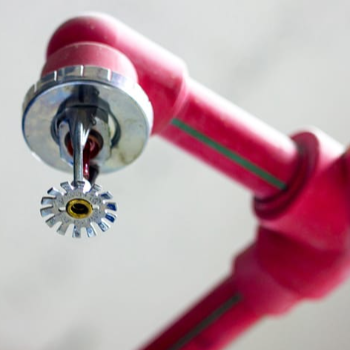
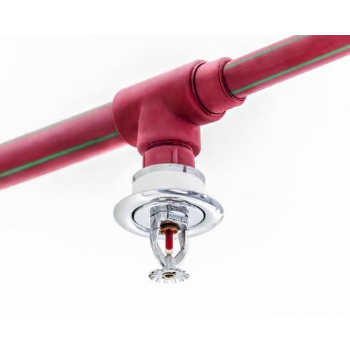
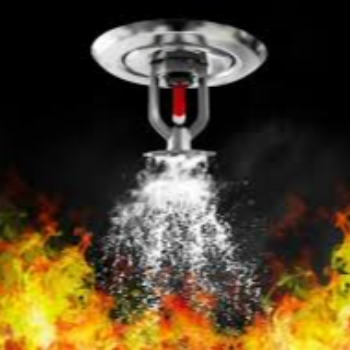
A fire sprinkler system is an automatic fire suppression network installed in ceilings or overhead spaces. Each sprinkler head is heat-sensitive and activates individually when it detects high temperature from a fire. Once triggered, it discharges water directly onto the affected area, helping control or extinguish the fire quickly.
A fire sprinkler system is not required in every building, but many commercial, industrial, high-rise, and public buildings must have it under local fire and building codes. Requirements depend on occupancy type, size, height, and fire load. Always consult local regulations and a fire safety professional for exact compliance needs.
A fire sprinkler system should typically be visually checked monthly and professionally inspected at least annually, following standards like NFPA guidelines or local codes. Some components, such as control valves, alarms, and water flow devices, may need more frequent checks. Regular inspections help ensure reliability and code compliance at all times.
Modern fire sprinkler systems are highly reliable and rarely discharge accidentally. Each sprinkler head activates only when exposed to specific high temperatures, not smoke or minor heat. Accidental water damage is uncommon compared to potential fire loss, and proper installation, maintenance, and quality components further minimize the risk of unintended activation.
No, a standard fire sprinkler system does not activate all sprinklers simultaneously. Each sprinkler head responds individually to heat in its immediate area. Only heads exposed to sufficient fire temperature will open, targeting the fire source. This localized activation helps limit water use while still providing effective fire control and protection.


 Select Date