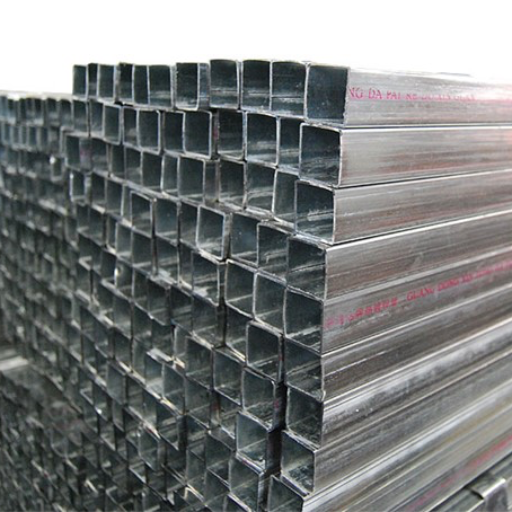
GP and GI Tubes for Versatile Applications
Our GP and GI tubes are engineered for durability and versatility in applications like plumbing, construction, and electrical work. Discover the key differences and choose the right tube for your needs.
From ₹75
₹0
0% OFF
Product Details
GP (Galvanized Plain) and GI (Galvanized Iron) tubes are essential materials in construction and plumbing. Both types are designed for specific applications, with GP tubes being smoother and without any coating, while GI tubes are coated with zinc for corrosion resistance. Understanding the gi and gp differences helps in selecting the right tube.
Features & Benefits
- Corrosion-resistant for longer lifespan
- Lightweight for easy handling
- Easy to install and maintain
- Versatile use in various applications
- Cost-effective and durable
How to Use
Select the appropriate tube type for your project. Cut the tube to the required length. Use fittings as needed. Securely fasten connections. Ensure proper support for installation.
GP (Galvanized Plain) pipes are untreated steel tubes, while GI (Galvanized Iron) pipes have a protective zinc coating, making them more resistant to rust and corrosion. Both are used in various plumbing and construction applications.
The primary difference lies in their coating. GI pipes are coated with zinc, enhancing corrosion resistance, whereas GP pipes lack this coating and are typically used in less humid environments.
GI tubes are commonly used in plumbing, HVAC systems, and electrical conduits. Their corrosion-resistant properties make them ideal for outdoor and wet environments.
Consider the environmental factors and the specific application. If moisture is a concern, GI tubes are recommended. For dry areas, GP tubes might suffice and be more cost-effective.
Yes! Both GP and GI tubes are designed for easy installation with various fittings and connectors available. Proper cutting and sealing can ensure a secure fit.


 Select Date