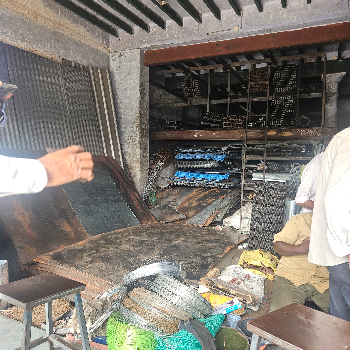
Premium Steels High-Performance Material
Our Premium Steels High-Performance Material offers unmatched durability, making it ideal for construction and manufacturing applications. Experience the superior strength and reliability of our steels today.
₹2,500
Product Details
Experience the exceptional quality of our Premium Steels Durable High-Performance Material, designed to meet diverse industrial needs. Located at OLD NO 19 NEW NO 15BANGALORE ROADVELLORE NEAR MAKKAN SIGNAL, this product ensures outstanding strength and longevity, suitable for various applications from construction to automotive industries. Build with confidence with our superior steel products.
Features & Benefits
- Unmatched durability and strength
- Resistant to corrosion and wear
- Ideal for heavy-duty applications
- Lightweight yet robust
- Versatile for multiple uses
How to Use
Select the right steel grade. Prepare the surfaces. Cut it to required dimensions. Assemble as per your project design. Ensure secure fittings and connections.
Our Premium Steels are excellent for construction, automotive, and industrial machinery. They are perfect for any project that demands high strength and durability.
Yes, our high-performance material is resistant to corrosion and can withstand harsh outdoor conditions, making it ideal for various applications.
To maintain the steel, keep it clean and dry. Regularly inspect for rust and treat any issues immediately to prolong its lifespan.
Absolutely! We offer customization options for our Premium Steels to meet the specific requirements of your projects. Contact us for details.
You can buy our Premium Steels Durable High-Performance Material directly from our location at OLD NO 19 NEW NO 15BANGALORE ROADVELLORE NEAR MAKKAN SIGNAL or online.


 Select Date
 08:00 AM - 08:30 AM, Thursday, Nov 24, 2024
 Indian Standard Time
 Shahanab