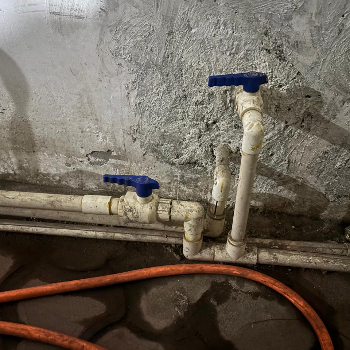
Premium Scraps and Material for Recycling & Reuse
All scrap products
₹800,000
Product Details
This collection of premium scraps and material offers a smart, cost-effective alternative to buying new raw resources for multiple applications. Ideal for manufacturers, fabricators, recyclers, artists, and DIY enthusiasts, each scrap category is carefully selected to support reuse, repair, and creative upcycling without compromising reliability. Whether you need metal, plastic, or mixed industrial scrap, these materials help reduce environmental impact while lowering production costs and improving margins. Perfect for bulk buyers as well as small workshops, the scraps come from reliable sources and are suited for diverse requirements. Located at J NO 2 J K ROAD DURGA MANDIR NEAR LEELA SONS GOVINDPURA BHOPAL BHOPAL MADHYA PRADESH, this product range supports long-term, sustainable, budget-friendly operations.
Features & Benefits
Quality-checked scraps and material for reliable reuse
Helps cut raw material and production costs
Supports eco-friendly recycling and sustainability goals
Suitable for industrial, commercial and DIY projects
Available in multiple scrap categories and types
Ideal for bulk buyers and small workshops alike
Helps cut raw material and production costs
Supports eco-friendly recycling and sustainability goals
Suitable for industrial, commercial and DIY projects
Available in multiple scrap categories and types
Ideal for bulk buyers and small workshops alike
How to Use
Identify the type of scraps and material suitable for your project. Inspect and sort according to size, grade, and requirement. Clean or process the scrap if needed for your application. Use in manufacturing, repair, or DIY as per standard safety practices. Store leftover scrap in a dry, organized area.
Scraps and material can be reused in manufacturing, fabrication, repairs, and creative DIY projects. Industries often melt or reprocess metal and plastic scrap to make new components, while hobbyists use them for art, furniture, and prototypes. This helps reduce waste, save money, and promote sustainable resource use.
Yes, many types of scraps and material are suitable for industrial use if they meet your required grade and specifications. Manufacturers frequently use metal and plastic scrap for remelting, machining, or secondary processes. Always verify size, composition, and quality before integrating scrap into critical production lines or structural applications.
To choose the right scraps and material, first define your application, such as fabrication, repair, or DIY. Then check the material type, thickness, size, and condition. Match these with your technical requirements and machinery. It’s wise to start with a small batch to test compatibility and performance before bulk buying.
Using scraps and material is usually very cost-effective because it reduces dependence on expensive primary raw materials. When quality is properly checked, scrap can deliver similar performance at a lower price. This helps businesses improve margins and enables small workshops or creators to work within tighter budgets without compromising output.
Yes, reusing scraps and material is environmentally friendly because it reduces landfill waste and lowers demand for newly extracted resources. Recycling scrap consumes less energy than producing virgin materials. By incorporating suitable scrap into your projects, you actively support circular economy principles and contribute to more sustainable production practices.


 Select Date
 08:00 AM - 08:30 AM, Thursday, Nov 24, 2024
 Indian Standard Time
 Shahanab