By Ram Dei | Owner, Ram Dei Cafe (Waterfall View Cafe), Sissu
I run a small cafe in Sissu village, on the Manali-Leh highway, right next to the police post. My name is Ram Dei. The cafe is named after me. I cook the food, I take the orders, and most days I'm the one handing your plate across the counter.
Every season, thousands of travellers pass through Sissu on their way to Keylong, Jispa, and Leh. Some stop at my cafe. Some stop at others. Some skip lunch and push on, then regret it two hours later when there's nothing open between Sissu and Keylong.
After several seasons of feeding bikers, families, taxi drivers, and BRO workers, I've noticed the same five mistakes travellers make when they choose where to eat in Sissu. This is what I'd tell my own family if they were driving up. Some of it works in my favour. Some of it doesn't. All of it is honest.
1. The first cafe you see is not always the best one
When you exit the Atal Tunnel from Manali, the road opens into Lahaul Valley. Sissu is the first proper village, about 15 minutes from the tunnel exit.
The first few cafes you see on the highway are positioned for one reason — they're easy to spot. Easy to spot does not mean good food. It usually means high turnover, frozen items, and tourist pricing.
The cafes that locals trust are usually a few hundred metres deeper into the village, near the police post or the helipad. That's where the longer-running kitchens are. That's where the food is cooked fresh because the owner is on-site and not running three branches.
My cafe sits between the police post and the helipad. So do a couple of others I'd happily send you to. If a place is busy with locals and BRO workers at lunch — not just tourists — that's the one to walk into.
What this means for you: drive past the first two or three highway-facing cafes. Go to the ones the local drivers and police are eating at. The food will be better and the price will be lower.
2. At 10,500 feet, your body wants different food than you think
Sissu sits at roughly 10,500 feet. Your body works harder up here. Digestion slows down. You get full faster. You also lose energy faster.
Most travellers come in and order what they'd order in Manali — paneer butter masala, butter naan, fried rice. Heavy, oily, hard to digest at altitude. Two hours later, they feel sick on the road.
The food that actually works in Lahaul is the food locals have been eating for centuries — dal, rajma, plain rice, rotis, simple sabzi, soups, and chai. Light on oil. High on warmth. Easy to digest.
This is also why my most-ordered plate is Rajma Chawal at ₹150 — slow-cooked rajma with rice. It's not on the menu because it's fancy. It's on the menu because it's what your body actually needs after four hours of switchbacks.
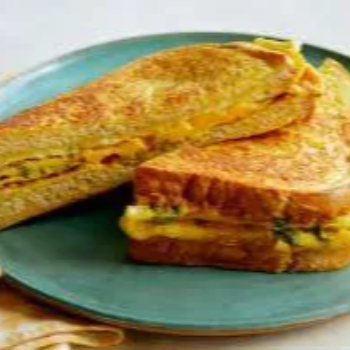
The Grilled Cheese Sandwich at ₹80 and Masala Noodles at ₹80 are quick options for travellers in a hurry, but if you have 30 minutes to sit, eat the rajma plate. You'll feel the difference 50 km later.
What this means for you: order light and warm. Skip the cream-based curries until you're back below 8,000 feet. Drink chai before coffee. Avoid heavy paneer dishes until your body adjusts.
3. Tourist pricing is real — and easy to spot
Sissu has changed in the last few years. The Atal Tunnel opened in 2020, and the number of tourists coming through has gone up every season since. Some cafes saw this and changed their pricing for outsiders.
A masala chai that costs ₹15 in Keylong starts costing ₹40 in tourist-facing cafes in Sissu. A plate of Maggi that's ₹50 in a Manali dhaba becomes ₹120. The food is the same. The pricing is the difference.
I don't run my cafe that way. The rates on my menu are the rates for everyone — local driver, BRO worker, biker from Bangalore, family from Delhi. ₹80 for a sandwich is ₹80 in June and ₹80 in September. ₹20 for chai is ₹20 regardless of who's drinking it.
If you want to check before you order anywhere in Lahaul, ask a local what they pay. If a cafe quotes you double, walk out. There are enough honest cafes in Sissu that you don't need to support the dishonest ones.
What this means for you: ask the price before you order, especially for chai and small items where tourist pricing hits hardest. A fair masala chai in Sissu is ₹15 to ₹25. A fair plate of Maggi is ₹50 to ₹80. A fair Rajma Chawal is ₹120 to ₹180. Outside these ranges, you're being charged for being a tourist.
4. Plan your stop around the season, not the time of day
Lahaul Valley is open for travel from roughly April or May through October or November. The exact dates depend on snow at the higher passes and weather around the Atal Tunnel.
Within that window, the experience changes month to month:
May and early June: the road just opened. Cafes are still setting up. Stocks of fresh vegetables are limited. Stick to dal, rice, parathas, and Maggi. Don't expect a full menu.
Late June to August: peak season. Vegetables are flowing in from Manali. Full menus are running. But cafes are also packed — expect a 20 to 40 minute wait at lunch on weekends.
September: my favourite month to feed people. The big crowds are gone. The weather is clear. Vegetables are still fresh. Service is fast.
October to early November: the road is closing soon. Some cafes have already shut for the season. Stock is being run down. Order what's available, not what's on the menu.
Mid-November to April: Sissu shuts down with the rest of Lahaul. Most cafes are closed. If you're driving up in winter — which is risky and only possible some years — message ahead before you assume anywhere is open.
What this means for you: if you're a foodie traveller, plan your Lahaul trip for September. If you want full menus and full villages, June and July. Avoid the shoulder weeks at both ends unless you're flexible about food.
5. The single best thing you can do for any cafe in Sissu — message ahead
This one's practical. Most cafes in Sissu are small. Three to five tables. One or two cooks. The food is made fresh on order, which is why it's good — but it also means a group of eight walking in unannounced will wait 45 minutes.
If you're travelling in a group of four or more, send a WhatsApp message 30 to 45 minutes before you arrive. Tell the cafe what you want. By the time you park, the food is ready.
This applies to my cafe and to most others in the valley. My WhatsApp is +91 98820 34688. I check it constantly during the season.
For solo travellers and couples, just walk in. Small orders are fast.
What this means for you: save the WhatsApp number of one or two cafes before you cross the Atal Tunnel. Phone signal in Lahaul is patchy — Jio and BSNL work in most spots, Airtel less so. WhatsApp messages queue and send when signal returns.
A short word from me
I started cooking for travellers because Sissu changed when the Atal Tunnel opened. People who'd never seen Lahaul were suddenly driving through. They needed food. I knew how to cook the food my mother and grandmother cooked.
The cafe is small. It will stay small. I'm not building a chain. I'm cooking food for the people who pass through my village, the way it should be cooked, at a price that doesn't take advantage of anyone.
If you're driving up this season, you don't have to stop at my cafe. There are other good ones in Sissu. But whichever cafe you choose, choose with these five things in mind. You'll eat better. You'll feel better on the road. And the cafe owners who do this work properly will keep doing it for the next traveller behind you.
Safe travels.
— Ram Dei
Waterfall View Cafe, near police post, Sissu, Lahaul Valley
+91 98820 34688


 Select Date
Comments (0)