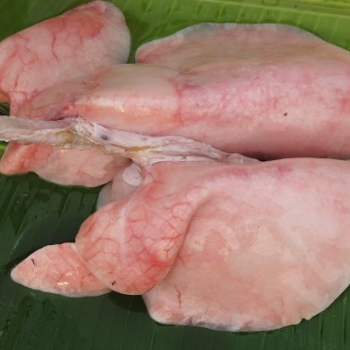
Fresh Mutton Lungs High-Protein Offal Cut
Mutton lungs, while not a common dish in many cultures, are a source of protein, B vitamins, and trace minerals like selenium and copper, potentially supporting respiratory health and overall wellness.
₹70
Product Details
Mutton lungs are a traditional organ meat choice valued for their rich protein content, B vitamins and important trace minerals like selenium and copper. Ideal for slow-cooked gravies, soups, fry preparations and regional delicacies, they offer a budget-friendly way to add variety to your non-veg meals. Carefully cleaned and neatly cut, these mutton lungs are suitable for home cooks who enjoy exploring nose-to-tail cooking and nutrient-dense foods. Whether you prefer spicy masala dishes or mild soups, they cook quickly and absorb flavours well for satisfying results. Sourced and handled with hygiene in mind, they are made available fresh from FORM FRESH CHICKEN No 1 106A ECR Sangothai Amman kovil Street Uthandi opposite to Aruvi restaurant.
Features & Benefits
Rich source of animal protein for daily meals
Contains B vitamins to support energy metabolism
Provides selenium and copper trace minerals naturally
Ideal for traditional soups, curries and fry recipes
Hygienically cleaned for convenient home cooking
Budget-friendly way to enjoy nutrient-dense offal
Contains B vitamins to support energy metabolism
Provides selenium and copper trace minerals naturally
Ideal for traditional soups, curries and fry recipes
Hygienically cleaned for convenient home cooking
Budget-friendly way to enjoy nutrient-dense offal
How to Use
Rinse the mutton lungs thoroughly under clean running water. Cut into evenly sized pieces as required for your recipe. Parboil or pressure cook with salt and turmeric to soften and remove excess odour. Then sauté, fry or simmer in gravy or soup masala until fully cooked and tender. Always cook thoroughly before consumption.
Mutton lungs can be good for health when eaten in moderation as part of a balanced diet. They provide high-quality animal protein, B vitamins and minerals like selenium and copper. However, as an organ meat, they may be high in cholesterol, so people with heart or cholesterol issues should consult a doctor before regular consumption.
To clean mutton lungs, rinse thoroughly under running water and squeeze gently to remove blood and impurities. Many home cooks soak them briefly in salted or turmeric water. Then parboil or pressure cook until partly tender, drain, and use in your chosen recipe, such as fry, pepper masala or curry, cooking until fully done.
Mutton lungs offer several benefits, including being a dense source of animal protein and important micronutrients like B vitamins, selenium and copper. These nutrients support energy production, immunity and overall wellness. They also help reduce food waste through nose-to-tail eating. Always prepare mutton lungs hygienically and cook them thoroughly for safe consumption.
To reduce the strong smell of mutton lungs, first wash and squeeze them well under water. Soak briefly in water with salt, turmeric or a little vinegar. Parboil with ginger, garlic and whole spices, then discard the water. Cooking lungs with aromatic masalas, pepper, coriander and garam masala further improves flavour and aroma.
It is not advisable for most people to eat mutton lungs daily. While they are rich in protein and nutrients, organ meats can be high in cholesterol and purines. Enjoy mutton lungs occasionally as part of a varied non-vegetarian diet, and people with heart, cholesterol or uric acid issues should seek medical advice first.


 Select Date