In the bustling city of Pune, where life races against the clock, Amit Kapoor, a 45-year-old software engineer, found himself caught in a whirlwind of work deadlines and family responsibilities. Like many of us, Amit often placed his health on the back burner, assuming that his regular routine was enough to keep him fit and fine. However, unbeknownst to him, his body was sending subtle signals of distress.
Amit's story is one that resonates with countless individuals across India, where the demands of modern life often overshadow the importance of regular health check-ups. It wasn't until his wife, Priya, urged him to take a routine blood test at a local diagnostic center that Amit realized the true value of proactive health monitoring.
For Amit, the prospect of undergoing a blood test was daunting. He had always associated medical tests with illness, not realizing that they could be instrumental in preventing future health issues. Like many others, he was unaware of the emotional and practical benefits of regular health monitoring.
One of the major problems faced by individuals like Amit is the fear and anxiety surrounding health check-ups. The thought of what might be discovered often deters them from taking that crucial step toward better health. This emotional barrier is where routine blood tests come into play, offering peace of mind and empowerment.
When Amit finally decided to take the plunge, he was pleasantly surprised by the seamless experience at the diagnostic center. The friendly staff and state-of-the-art facilities put him at ease, and the process was quick and efficient. What Amit discovered through his blood test was a revelation.
The results highlighted a slightly elevated cholesterol level, something that could be easily managed with dietary changes and regular exercise. This early detection was a game-changer for Amit, who was now equipped with the knowledge he needed to make informed lifestyle choices. More importantly, it alleviated his anxiety, knowing that he was taking proactive steps toward his well-being.
Routine blood tests serve as a powerful tool in the journey towards better health. They not only help in detecting potential health issues early on but also provide a baseline to track changes over time. For individuals like Amit, this means gaining control over their health, reducing the risk of chronic illnesses, and enjoying a better quality of life.
Consider the case of Anjali Mehta, a 50-year-old school teacher from Mumbai, who was diagnosed with diabetes at a routine check-up. Anjali had no prior symptoms and was completely unaware of her condition. The timely detection allowed her to manage her diabetes effectively, preventing severe complications in the future. Her story is a testament to the life-saving potential of regular health check-ups.
Routine blood tests can also be a critical tool for those with a family history of certain illnesses. In the case of Raj and Simran, a young couple from Delhi, regular testing helped them monitor and manage Simran’s thyroid condition, which was hereditary. By understanding her condition early, they could make informed decisions about their family planning and lifestyle choices.
The emotional benefits of routine blood tests are profound. They offer a sense of reassurance and control, reducing the stress and anxiety associated with the unknown. Practically, they provide a roadmap for maintaining optimal health, highlighting areas that need attention and offering guidance on preventive measures.
In the fast-paced world we live in, taking the time for a routine blood test can seem like an unnecessary hassle. However, as Amit, Anjali, and Simran discovered, these tests are a small investment with immense returns. They are not just about detecting diseases; they are about empowering individuals to take charge of their health and live life to the fullest.
So, if you find yourself hesitating, remember Amit’s story and take that step towards a healthier, happier you. Your future self will thank you.
SEO Tips
- Use keywords such as "routine blood tests," "health check-ups," and "preventive healthcare" throughout the content.
- Ensure a natural flow of keywords to maintain readability and engagement.
- Include location-specific references like "Pune," "Mumbai," and "Delhi" to target regional audiences.
- Encourage sharing by adding a call-to-action at the end of the blog.
Visit Vyaparify Site:
https://id.vyaparify.com/takshvi-diagnostic-centre 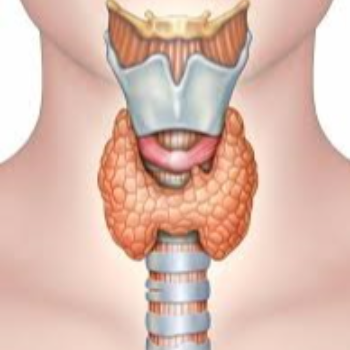

 Go To Homepage