
Bonga Hati Terracotta Tribal Elephant Sculpture
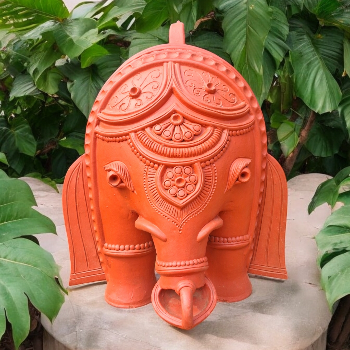
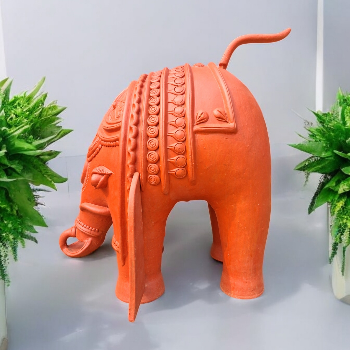
Bonga Hati" refers to a round-shaped, terracotta elephant figurine with a unique trunk and ornamental designs, a popular tribal sculpture originating from the Hooghly district, and later adopted by artisans from Bishnupur and Bankura.
₹4,999
Product Details
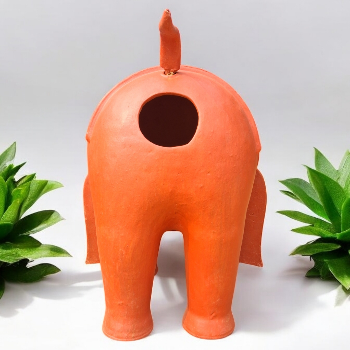
Bonga hati is a traditional terracotta elephant sculpture known for its rounded form, distinct trunk and ornate tribal detailing. This handcrafted piece is ideal for art lovers, collectors and anyone who appreciates ethnic home decor with cultural roots. Each figurine is shaped and carved by skilled artisans using age-old techniques, making every piece unique and soulful. Place it on shelves, consoles or workspaces to add a touch of heritage charm and storytelling. Its earthy tones blend beautifully with modern and traditional interiors alike. A meaningful gifting choice for festivals, housewarmings and special occasions, this bonga hati brings handcrafted artistry from RAJ DARBAR BISHNUPUR NEAR JORBANGLA directly into your home.
Features & Benefits
Authentic tribal-style bonga hati terracotta craftsmanship
Round form with unique stylised elephant trunk
Intricate hand-carved ornamental surface detailing
Earthy tones suit modern and traditional interiors
Thoughtful gift for art, craft and culture lovers
Lightweight yet sturdy for easy decor placement
Round form with unique stylised elephant trunk
Intricate hand-carved ornamental surface detailing
Earthy tones suit modern and traditional interiors
Thoughtful gift for art, craft and culture lovers
Lightweight yet sturdy for easy decor placement
How to Use
Place your bonga hati figurine on a stable, flat surface away from edges. Keep it indoors, away from direct rain or moisture. Dust gently with a soft, dry cloth; avoid wet wiping and harsh cleaners. Handle with care when moving to prevent chipping or breakage.
A bonga hati terracotta sculpture is a traditional tribal-style elephant figurine with a rounded body, distinctive curved trunk and decorative motifs. Handcrafted from natural clay and kiln-fired, it is used mainly as ethnic home decor and as a collectible art piece representing regional craft heritage.
Yes, bonga hati is perfect for everyday home decor when placed in a safe indoor spot. Keep it on shelves, consoles, or display units away from children’s reach. As a terracotta piece, it should be protected from water and strong impact, but normal room conditions are ideal.
To care for your bonga hati, keep it dry and indoors. Dust it regularly with a soft, dry cloth or a gentle brush to remove surface dust. Avoid using water, chemicals or abrasives, and do not scrub. Handle carefully to prevent chips, cracks or accidental falls.
Yes, every bonga hati is individually handcrafted by artisans, so slight variations in shape, size, colour tone and detailing are normal. These differences show the human touch and traditional process, making each terracotta elephant figurine a one-of-a-kind collectible rather than a mass-produced item.
A bonga hati makes an excellent gift for housewarmings, festivals, weddings and cultural events. It represents traditional craftsmanship and adds character to any space. Pack it securely in cushioning material, and consider including a small note about its terracotta origin and tribal art heritage.


 Select Date
 08:00 AM - 08:30 AM, Thursday, Nov 24, 2024
 Indian Standard Time
 Shahanab