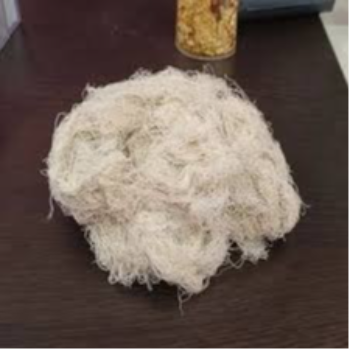
Premium Thread Waste Eco-Friendly Recycled Fiber
High-quality recycled thread waste for textile, recycling, and industrial use. Reduce emissions, save water, and support eco-friendly sourcing.
From ₹35
₹0
0% OFF
Product Details
This premium thread waste is carefully sorted, cleaned, and processed to deliver consistent quality for textile, recycling, and industrial applications. Ideal for spinning, open-end yarn, stuffing, padding, insulation, and various reuse projects, it helps reduce raw material costs, landfill load, and environmental impact. Businesses focused on sustainability choose this thread waste to cut emissions and save water compared to virgin fibers and conventional sourcing models. Sourced and supplied from 110/A3 NSP COLONY,MAINROAD, CHIMAKURTHI, Andhra Pradesh, 523226, it supports circular economy practices and responsible procurement. Suitable for textile mills, recyclers, exporters, and manufacturing units seeking reliable, eco-friendly fiber input with steady bulk supply.
Features & Benefits
High-quality, clean thread waste with minimal contamination
Ideal for spinning, open-end yarn, and stuffing
Reduces raw material cost and fiber wastage
Supports eco-friendly, circular manufacturing processes
Helps lower emissions and industrial water consumption
Consistent supply suitable for bulk industrial orders
Ideal for spinning, open-end yarn, and stuffing
Reduces raw material cost and fiber wastage
Supports eco-friendly, circular manufacturing processes
Helps lower emissions and industrial water consumption
Consistent supply suitable for bulk industrial orders
How to Use
Store thread waste in a clean, dry area away from moisture and direct sunlight. Open bales or bags carefully to avoid scattering fibers. Sort by color or quality as per your process needs. Feed gradually into spinning, recycling, stuffing, or padding machinery. Always follow your machine capacity guidelines and safety procedures.
Thread waste is commonly used as a recycled fiber source in spinning, open-end yarn production, stuffing, padding, and various industrial recycling processes. Many textile mills and manufacturing units blend thread waste with other fibers to reduce costs, minimize raw material consumption, and support sustainable, eco-friendly production without compromising on performance.
Yes, thread waste is highly suitable for recycling because it is already in fiber or yarn form and can be easily reprocessed. Textile recyclers and mills use thread waste to produce regenerated yarns, nonwoven products, and stuffing materials, helping reduce landfill disposal, lower emissions, and save water compared with using only virgin fiber.
Thread waste can be used for spinning, especially in open-end or rotor spinning systems. After proper sorting, cleaning, and opening, it can be blended with other fibers to create economical yarns. This helps mills lower raw material costs, optimize waste management, and improve overall sustainability while maintaining acceptable yarn quality for many applications.
Store thread waste in a dry, well-ventilated area away from moisture, direct sunlight, and open flames. Keep it compressed or baled to save space and prevent scattering. Avoid mixing different grades if quality separation is important. Follow general fire safety and housekeeping practices common in textile and recycling units for safe storage.
Choosing recycled thread waste over virgin fiber reduces environmental impact, cuts emissions, and saves significant water used in primary fiber production. It also lowers raw material costs and supports circular economy goals. Many textile and recycling businesses blend thread waste with virgin fibers to balance sustainability, performance, and overall production economics.


 Select Date