
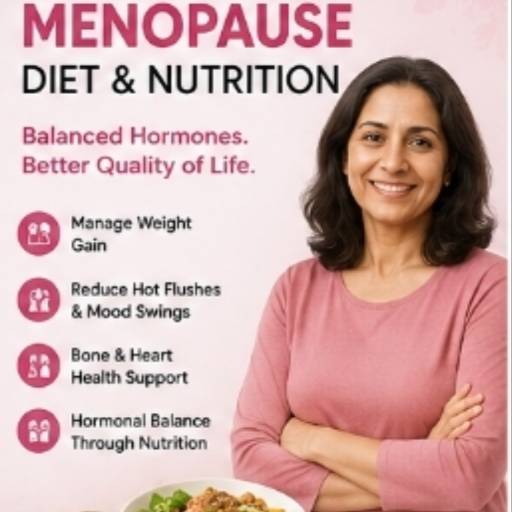
This guide explains the three stages of menopause, what good nutrition can and cannot do at each stage, and which symptoms need a doctor rather than a diet change. It is written by Dr. Shajra Mukadam, a family physician and clinical nutritionist at her clinic in Malad West, Mumbai.
Book a menopause nutrition consultation
Understanding perimenopause, menopause and postmenopause
Menopause does not happen overnight. Hormonal changes can begin several years before periods stop completely. Knowing these stages helps women recognise changes in their bodies and seek the right guidance.
Perimenopause: the transition before menopause
Dr. Shajra Mukadam uses the expression "puberty in reverse" to explain perimenopause in everyday language.
During perimenopause, estrogen levels fluctuate and menstrual cycles may become irregular. Some women experience hot flashes, disturbed sleep, mood changes or changes in body weight. The timing and intensity of symptoms vary from person to person.
A balanced diet during this stage supports nutritional adequacy, bone health and metabolic wellbeing. Nutrition is supportive care. It does not replace assessment or treatment of troubling symptoms.
Menopause: the one-year milestone
Natural menopause is generally identified after 12 consecutive months without menstrual bleeding, when there is no other explanation. This definition is commonly used for women aged 45 and over who are not using hormonal contraception; diagnosis can differ in other circumstances.
As estrogen levels change, keeping bones strong, maintaining muscle and protecting heart and metabolic health become more important. This is a good time to review eating habits, physical activity, sleep and health risks with a qualified healthcare professional.
Postmenopause: a new stage of health
Postmenopause refers to the years after menopause. Some symptoms may gradually ease, but nutritional needs and long-term health risks still need attention. Healthy eating, regular physical activity and preventive medical care help women stay well as they age.
How nutrition can support women during menopause
Food cannot stop menopause or reliably remove symptoms such as hot flashes. Good nutrition can still support overall health through this transition in the following ways.
1. Weight changes around midlife
Some women notice more fat around the abdomen or changes in body composition around midlife. Ageing, hormonal changes, physical activity, sleep and other individual factors all play a part.
A sustainable nutrition plan focuses on:
Balanced meals that meet nutritional needs
Sensible portions without extreme dieting
Enough protein
Fibre-rich foods that keep you full and support digestion
Regular eating habits that fit your daily routine
Weight management should be individual. Large or unexpected weight changes may need medical assessment.
2. Bone health, calcium and vitamin D
After menopause, falling estrogen levels can speed up bone loss and raise the risk of osteoporosis.
Calcium-rich foods such as milk, curd and fortified alternatives support bone health. Vitamin D helps the body absorb calcium. Vitamin D testing and supplements should be discussed with a qualified clinician.
Nutrition works alongside resistance training, weight-bearing exercise and osteoporosis assessment when needed. It does not replace them.
3. Protein and muscle health
Muscle mass and strength can decline with age, so enough protein matters more at this stage.
Dals, beans, dairy products, eggs and soy foods can all be part of a balanced diet. How much protein you need depends on your age, body size, activity level, kidney health and other medical factors. Pairing good nutrition with muscle-strengthening exercise supports healthy ageing.
4. Heart and metabolic health
Midlife is a good time to check blood pressure, blood sugar, cholesterol and other heart risk factors with a healthcare professional.
A diet built around vegetables, fruits, whole grains, legumes, healthy fats and suitable protein sources supports heart and metabolic health.
Women with diabetes, thyroid disorders or other conditions may need extra dietary adjustments planned around their treatment.
5. Hot flashes, night sweats and sleep problems
Hot flashes and night sweats can disturb sleep and daily comfort.
Some women feel better after cutting down on personal triggers such as caffeine, alcohol or very spicy food. These triggers are not the same for everyone.
Diet change is not an established treatment for hot flashes, and no single food or supplement has been shown to reliably stop them. Persistent hot flashes, severe sleeplessness or major disruption to daily life should be discussed with a doctor. Effective medical treatments, both hormonal and non-hormonal, are available.
6. Mood changes and brain fog
Some women notice low mood, anxiety, poor concentration or forgetfulness during the menopause transition.
Regular meals, good nutrition, a steady sleep routine and physical activity support general wellbeing. Diet alone is not a treatment for depression or memory problems. Persistent or worsening emotional or memory symptoms need medical evaluation.
What a menopause nutrition consultation includes
Dr. Shajra Mukadam's consultations start from your own health needs rather than giving every patient the same diet.
She reviews your eating habits, menopause-related concerns, medical history, current medicines and any recent blood-test results. Based on this, you may receive:
Individual nutritional guidance
A detailed daily meal plan
Medical nutrition therapy (MNT) suited to your health conditions
Review of your progress
Follow-up support and changes to the plan when needed
The aim is an eating pattern you can keep up, one that fits your health needs, food preferences and lifestyle.
Follow-up consultations
Diet changes are easier to keep up when progress is reviewed regularly. Dr. Shajra Mukadam generally follows this schedule, adjusted to each patient's needs:
First 1 to 3 months: follow-ups every 2 to 4 weeks to review food records, adjust the plan and work through practical problems.
After about 3 months: once a routine is in place, appointments every 2 to 3 months.
Long term: a review every 6 to 12 months to reassess dietary needs and keep healthy habits on track.
These intervals are flexible. They do not replace medical follow-up when symptoms or health conditions need closer attention.
When to see a doctor instead of changing your diet
Nutrition supports wellbeing, but some symptoms need medical evaluation. See a doctor promptly if you have:
Bleeding after menopause: any vaginal bleeding after 12 months without periods should be checked promptly, even if it is light or happens only once.
Very heavy or long periods during perimenopause, especially with dizziness, weakness or severe pain. Severe bleeding or fainting needs urgent care.
Sudden unexplained weight change or extreme tiredness, which can be linked to medical conditions that need assessment.
Persistent or severe urinary, vaginal or sexual symptoms, which may need gynaecological treatment.
Severe mood symptoms or major changes in memory or thinking, which may need medical or mental health assessment.
Dr. Shajra Mukadam refers patients for gynaecological evaluation when a concern needs a specialist. Nutrition consultations do not replace medical treatment, hormone therapy, tests or gynaecological care.
About Dr. Shajra Mukadam
Dr. Shajra Mukadam is a family physician and clinical nutritionist practising in Malad West, Mumbai.
She holds a Bachelor of Unani Medicine and Surgery (B.U.M.S.) from Maharashtra University of Health Sciences, Nashik (2001–2006), and a PG Diploma in Clinical Nutrition from IGMPI, Delhi (2022–2023).
Her experience:
Registered Medical Officer, Evershine Nursing Home, Mumbai (2009–2010)
Family Physician and Surgeon, Al Shifa Clinic, Mumbai (2010–2012)
Family Physician and Nutritionist, Rajasthani Polyclinic, Mumbai (2012–2022)
Family Physician and Nutritionist, Dr. Shajra Mukadam Clinic, Mumbai (2022–present)
She has 17 years of practice and provides menopause nutrition care, including individual meal planning and long-term support. When a patient needs gynaecological or other specialist evaluation, she refers them on.
Frequently asked questions
What is the best diet during menopause?
There is no single best diet for every woman. A balanced eating pattern with vegetables, fruits, whole grains, protein and calcium-rich foods supports health during menopause. The plan should be adjusted for existing health conditions, food preferences and individual needs.
Can a menopause diet help with weight management?
A structured diet plan can help women manage their weight and eating habits. Weight changes also depend on age, activity, sleep, hormones and medical conditions, so no specific amount of weight loss can be guaranteed.
Can diet stop hot flashes and night sweats?
No diet has been established as a reliable treatment for hot flashes and night sweats. Avoiding personal triggers may help some women feel more comfortable, but persistent symptoms may need medical treatment.
What foods support bone health after menopause?
Calcium-rich foods, enough protein and adequate vitamin D support bone health. A healthcare professional can advise whether you need diet changes, supplements or an osteoporosis check.
Do I need supplements during menopause?
Not everyone needs supplements. Decisions about calcium, vitamin D or other supplements should take into account your diet, health conditions and medicines, and a clinical check where needed. Do not start high-dose supplements without professional advice.
Can I see a nutritionist during perimenopause?
Yes. Perimenopause is a good time to review your eating habits and get nutritional guidance, especially if weight, appetite or existing health conditions are a concern.
Can women with thyroid problems or diabetes get menopause diet guidance?
Yes. They benefit from individual dietary advice that takes their condition and current treatment into account, alongside ongoing care from their treating doctor.
Does Dr. Shajra Mukadam offer online consultations?
Yes. She offers both online and in-clinic consultations.
What is the fee for a menopause nutrition consultation?
The consultation fee is ₹300.
Where is Dr. Shajra Mukadam's clinic?
Shop No. 6, Gurukrupa Apartments, Evershine Nagar, Malad West, Mumbai, opposite Model Studio.
Book a menopause diet and nutrition consultation
Menopause can raise questions about your diet, weight, bones and long-term health. You do not have to sort through conflicting advice online on your own. Dr. Shajra Mukadam plans nutrition around your health needs and daily routine.
Clinic: Dr. Shajra Mukadam Clinic Address: Shop No. 6, Gurukrupa Apartments, Evershine Nagar, Malad West, Mumbai, opposite Model Studio Consultation fee: ₹300 Modes: In-clinic and online Languages: English, Hindi, Gujarati and Marathi Timings: Monday to Saturday, 10:30am to 1pm and 6pm to 9pm. Closed Sunday.
Book your consultation
Medical information notice: This page gives general educational information. Individual symptoms, diagnoses and treatment decisions need professional assessment. Nutrition consultations support, but do not replace, medical or gynaecological care.





 Select Date
Comments (0)