Our Services
19 services available
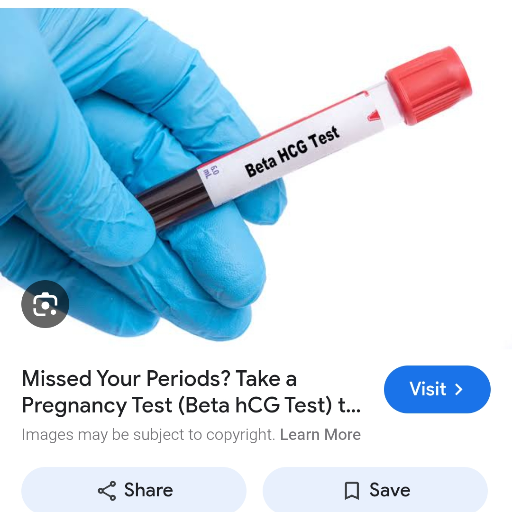
B-HCG TESt in KALOL — REHANSHI DIAGNOSTICS
Why the test is performed Beyond confirming a pregnancy, a B-hCG test can help a doctor: Determine gestational age: Measure the fetus's age based on hormone levels. Monitor pregnancy: Track the health and progress of a pregnancy, particularly during the first trimester, where hCG levels typically double every 48 to 72 hours. Detect abnormalities: Help diagnose conditions like ectopic or molar pregnancy and risk of miscarriage, based on abnormal or slow-rising hCG levels. Assess fertility treatment: Evaluate the success of treatments like in vitro fertilization (IVF). Screen for birth defects: Use as part of prenatal screening for chromosomal abnormalities like Down syndrome. Diagnose certain cancers: In rare cases, high hCG levels can indicate certain cancers, such as testicular or ovarian cancer. Understanding the results Test results are measured in milli-international units per milliliter (mIU/mL). Negative: Levels below 5 mIU/mL typically mean a person is not pregnant. Positive: Levels above 25 mIU/mL generally confirm a pregnancy. Inconclusive: Levels between 6 and 24 mIU/mL are in a "gray area" and require repeat testing after a couple of days. What abnormal results can mean Lower-than-expected levels: Miscarriage or blighted ovum (anembryonic pregnancy). Ectopic pregnancy, where the fertilized egg implants outside the uterus. Higher-than-expected levels: Multiple pregnancies (twins, triplets). Molar pregnancy, a rare condition involving abnormal tissue growth in the uterus. Certain types of cancer. How the test is done A B-hCG blood test is a routine procedure with minimal risk. A healthcare professional draws a small blood sample from a vein in your arm. No special preparation, like fasting, is usually required, though you should inform your doctor about any medications you are taking. The sample is sent to a laboratory for analysis. Results are typically available within 24 to 48 hours.
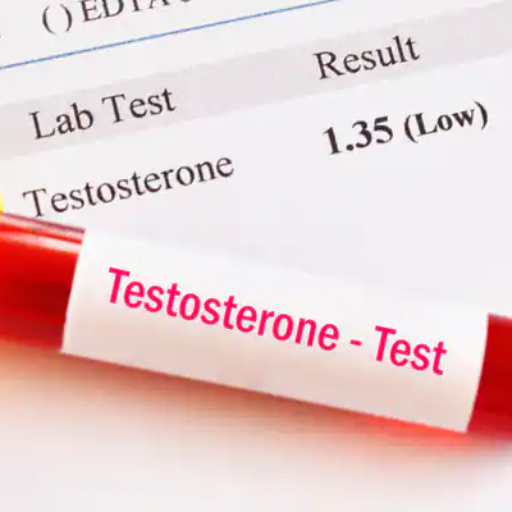
Testosterone test in KALOL — REHANSHI DIAGNOSTICS
A testosterone test is a blood test that measures testosterone levels, a hormone crucial for male sexual development and function, but also important in women for hormonal balance. The test is ordered by a doctor to diagnose conditions like hypogonadism, infertility, erectile dysfunction, or premature puberty in boys, and to investigate symptoms like excess facial hair in women. Blood is drawn, preferably in the morning when levels are highest, and analyzed in a lab. [1, 2, 3, 4, 5, 6] Why the test is done Doctors recommend a testosterone test to investigate a range of symptoms and conditions in both men and women: [1, 3, 4, 7, 8] • In men: Low sex drive, erectile dysfunction, infertility, osteoporosis. • In women: Irregular periods, male-pattern hair growth (hirsutism), deep voice. • In boys: Delayed or early puberty. How the test is performed 1. Blood Sample: A healthcare provider, such as a phlebotomist, will draw a small blood sample, usually from a vein in your arm. [6, 9] 2. Timing: The sample is ideally collected in the morning, between 7 a.m. and 10 a.m., when testosterone levels are naturally highest. [5, 10] 3. Laboratory Analysis: The collected blood is sent to a laboratory to measure your total testosterone levels. [6] 4. Results: The results indicate whether your testosterone levels are normal, high, or low, and are interpreted in the context of your sex and age. [2, 11] Preparation and Risks • Preparation: You may need to avoid eating or drinking for a few hours before the test (fasting), so it's important to ask your doctor for specific instructions. [5, 10] • Risks: A testosterone blood test is a very common procedure with minimal risks. You might experience a brief pinch from the needle and a small bruise or tenderness at the puncture site, which typically resolves quickly.
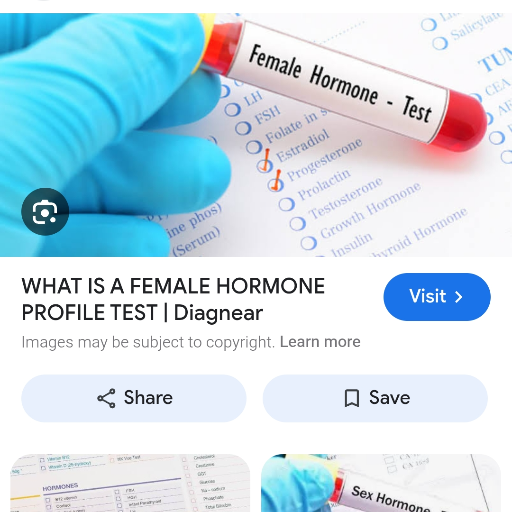
Female Hormone test in KALOL — REHANSHI DIAGNOSTICS
A Female Hormone test, usually a blood test, measures levels of specific hormones that regulate the menstrual cycle, fertility, and overall endocrine health. It is often used to investigate symptoms of hormonal imbalance, fertility issues, or conditions like PCOS or menopause. Here are some of the most common hormones tested and what they help evaluate: Key Reproductive Hormones | Hormone | What it Measures | Clinical Relevance (Examples) | |---|---|---| | Estrogen (primarily Estradiol - E2) | The most active form of estrogen, produced mainly by the ovaries. | Assesses ovarian function, infertility, symptoms of perimenopause/menopause, and helps monitor hormone replacement therapy. | | Progesterone | Important for preparing the uterus lining for pregnancy after ovulation. | Confirms if and when ovulation has occurred (often tested mid-luteal phase, about 7 days after expected ovulation). | | Follicle-Stimulating Hormone (FSH) | Produced by the pituitary gland; stimulates the growth of ovarian follicles. | Evaluates ovarian function, ovarian reserve, and helps confirm the start of perimenopause or menopause. Often measured on Day 3 of the menstrual cycle. | | Luteinizing Hormone (LH) | Produced by the pituitary gland; triggers ovulation. | Helps identify the cause of infertility, pinpoints ovulation, and can be used to diagnose conditions like PCOS (a high LH to FSH ratio may be seen). | | Anti-Müllerian Hormone (AMH) | Produced by the developing egg follicles in the ovaries. | Considered one of the most reliable indicators of ovarian reserve (the number of remaining eggs). Can be tested at any time of the cycle. High levels may be seen with PCOS. | | Testosterone | Although often considered a male hormone, women also produce it in smaller amounts. | Evaluates symptoms like excess hair growth (hirsutism), acne, and irregular periods. High levels can suggest PCOS. | | Prolactin | Produced by the pituitary gland; primarily associated with milk production (lactation). | High levels (hyperprolactinemia) can suppress ovulation and cause irregular or stopped periods and infertility. | Other Related Hormones * Thyroid Hormones (TSH, Free T3, Free T4): Thyroid problems are common in women and can significantly impact the menstrual cycle and fertility. * DHEA-S and Cortisol: These are adrenal hormones that can also be related to hormonal symptoms and stress. When to Get Tested The timing of the test is often crucial, especially if you are still menstruating, as hormone levels fluctuate throughout the cycle: * Day 3 of the cycle (Day 1 is the first day of bright red blood) is the standard time to check FSH, LH, and Estradiol to assess ovarian reserve and baseline function. * Days 19-22 of a 28-day cycle (the mid-luteal phase) is the typical time to check Progesterone to confirm ovulation. * AMH and Thyroid Hormones can often be tested at any time in the cycle. If you are experiencing symptoms such as irregular periods, unexplained weight changes, infertility, hot flashes, or significant mood swings, you should consult with a healthcare professional. They can recommend the appropriate tests based on your symptoms and health history.
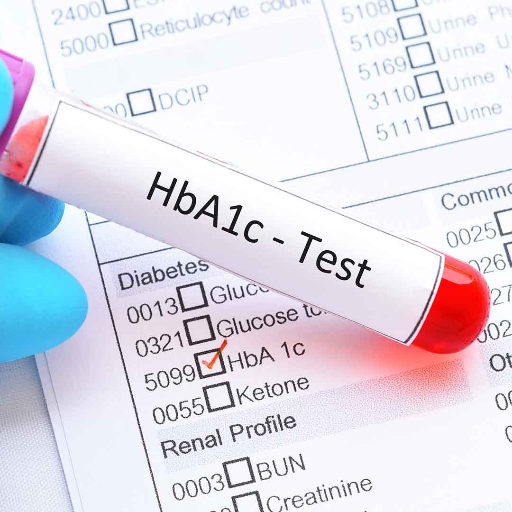
HBA1C BLOOD TEST in KALOL — REHANSHI DIAGNOSTICS
The HbA1c blood test (also known as the glycated hemoglobin, glycosylated hemoglobin, or A1c test) is a crucial blood test used to measure your average blood sugar (glucose) levels over the past two to three months. It's one of the primary tools used to diagnose and monitor diabetes and prediabetes. What the Test Measures The test measures the percentage of your hemoglobin—a protein inside red blood cells that carries oxygen—that is coated with glucose. * When glucose enters the bloodstream, it binds to hemoglobin. This is called glycation. * Since red blood cells live for about 90 to 120 days (3 to 4 months), the HbA1c result reflects the average glucose level attached to the hemoglobin over that lifespan, providing a long-term snapshot of your blood sugar control. This differs from a standard finger-prick blood glucose test, which only shows your blood sugar level at a single moment in time. Purpose of the HbA1c Test The test serves two main purposes: * Diagnosis: It is used to screen for and diagnose prediabetes and Type 2 diabetes. * Monitoring: For individuals already diagnosed with diabetes (Type 1 or Type 2), it is used to monitor how well their blood sugar levels are being managed over time, helping to evaluate the effectiveness of their treatment plan (diet, exercise, and medication). Interpreting HbA1c Results HbA1c results are reported as a percentage. The higher the percentage, the higher your average blood sugar levels have been. | HbA1c Result | Status | Indication | |---|---|---| | Below 5.7% | Normal | You do not have diabetes. | | 5.7% to 6.4% | Prediabetes | You have an increased risk of developing diabetes. | | 6.5% or higher | Diabetes | You have diabetes. | For people with diabetes, the target HbA1c level is often below 7.0%, but this goal may be higher or lower depending on individual health factors, age, and other conditions, and is determined by a healthcare provider. Test Preparation One major advantage of the HbA1c test is that it does not require fasting. You can eat and drink normally before the test as it measures a long-term average, not an immediate blood glucose level. However, if your doctor orders other blood tests at the same time (such as a fasting glucose or lipid panel), you may need to follow fasting instructions for those specific tests. Always confirm preparation details with your healthcare provider.
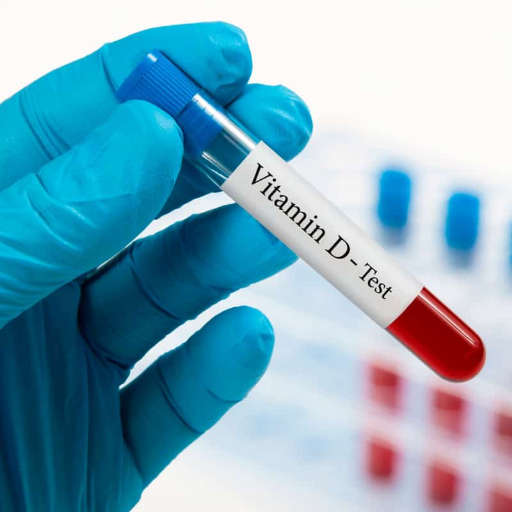
Vitamin D3 Test in KALOL — REHANSHI DIAGNOSTICS
Vitamin D3, also known as cholecalciferol, is one of the most important forms of Vitamin D, a fat-soluble vitamin essential for human health. Here is a summary of key information about Vitamin D3: Key Functions and Benefits Vitamin D3's primary role is to help the body absorb calcium and phosphorus, which are crucial for: * Bone Health: Maintaining strong, healthy bones and teeth, and preventing conditions like rickets in children and osteomalacia/osteoporosis in adults. * Immune System Support: Helping the immune system fight off bacteria and viruses. * Muscle Function: Maintaining muscle strength and supporting recovery. * Other Roles: It is also involved in regulating blood pressure, supporting cardiovascular health, and may play a role in metabolic and cognitive health. Sources of Vitamin D3 * Sunlight Exposure: The skin naturally produces Vitamin D3 when exposed to ultraviolet B (UVB) rays from the sun. This is the primary natural source. * Dietary Sources: Few foods naturally contain high amounts of Vitamin D3, but some include: * Fatty fish (salmon, trout, mackerel, tuna) * Fish liver oils (like cod liver oil) * Egg yolks * Beef liver * Fortified Foods: Many products are fortified with Vitamin D, often D3, such as: * Milk (dairy and plant-based alternatives) * Cereals * Orange juice * Yogurt * Supplements: Vitamin D3 supplements are widely available in various forms (capsules, tablets, drops). Recommended Daily Intake (RDA) The Recommended Dietary Allowance (RDA) for Vitamin D (D2 and D3) varies by age. Common general guidelines are: | Life Stage | Recommended Amount (IU) | |---|---| | Infants (0–12 months) | 400 IU (10 mcg) | | Children and Adults (1–70 years) | 600 IU (15 mcg) | | Adults (71+ years) | 800 IU (20 mcg) | Note: These are general guidelines. Individual needs can vary based on factors like sun exposure, diet, skin tone, and existing health conditions. It's always best to consult a healthcare provider for personalized dosage recommendations. Symptoms of Deficiency Many people with Vitamin D deficiency have no obvious symptoms. However, signs of low levels may include: * Fatigue or feeling tired * Bone pain or achiness * Muscle weakness, aches, or cramps * Mood changes, such as depression * Getting sick more often Prolonged, severe deficiency can lead to bone disorders like rickets in children or osteomalacia in adults. A blood test is the most accurate way to check your Vitamin D levels.
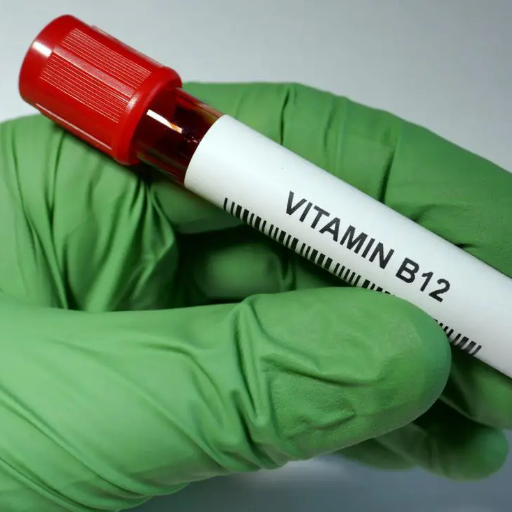
B12 Test in KALOL — REHANSHI DIAGNOSTICS
Vitamin B12: Essential Roles, Deficiency, and Sources Vitamin B12, also known as cobalamin, is an essential water-soluble vitamin that plays a critical role in several fundamental physiological processes. Unlike other vitamins, B12 contains the mineral cobalt, giving it its chemical name. The human body cannot produce B12, so it must be obtained through diet or supplements. Key Biological Functions B12 is indispensable for maintaining healthy nerve cells, which includes the production of myelin, the protective sheath that covers nerve fibers. This role is crucial for proper neurological function. Furthermore, B12 is vital for the formation of red blood cells and is a cofactor for enzymes involved in DNA synthesis. Without sufficient B12, cells, particularly rapidly dividing ones like red blood cells, cannot mature and divide properly. It also works closely with folate (Vitamin B9) and is necessary for metabolizing the amino acid homocysteine. Causes and Symptoms of Deficiency A deficiency in Vitamin B12 can lead to serious health issues, with symptoms ranging from mild to severe neurological damage. Causes The primary causes of deficiency aren't always related to insufficient dietary intake but often to impaired absorption. The absorption process is complex: B12 must bind to a protein called intrinsic factor (IF), which is produced by cells in the stomach, before it can be absorbed in the small intestine. Common causes include: * Pernicious anemia: An autoimmune condition where the body attacks the cells that produce intrinsic factor. * Older age: Reduced stomach acid (hydrochloric acid) production, which is necessary to release B12 from food protein. * Gastrointestinal disorders: Conditions like Crohn's disease or Celiac disease that affect the small intestine. * Surgery: Bariatric surgery or removal of parts of the stomach or small intestine. * Diet: Strict vegan or vegetarian diets are a risk factor, as B12 is naturally found almost exclusively in animal products. Symptoms A long-term deficiency can lead to megaloblastic anemia, where red blood cells are abnormally large and immature. Symptoms often include: * Extreme fatigue and weakness * Pale or yellow tinge to the skin * Glossitis (a sore and red tongue) * Neurological problems such as numbness or tingling (pins and needles) in the hands and feet (peripheral neuropathy), difficulty walking, and loss of coordination. * Psychological changes like memory problems, confusion, irritability, and depression. If left untreated, neurological damage can become irreversible. Dietary Sources and Treatment The recommended daily intake (RDI) of Vitamin B12 for adults is 2.4 micrograms (mcg), slightly higher for pregnant or breastfeeding women. Sources B12 is naturally present in animal foods: * Meat: Beef, poultry, and organ meats (especially liver). * Fish and Shellfish: Clams, sardines, salmon, and tuna. * Dairy Products: Milk, cheese, and yogurt. * Eggs. For vegans and vegetarians, B12 must be obtained from fortified foods (like certain breakfast cereals, nutritional yeast, and plant milks) or supplements. Treatment Treatment depends on the cause of the deficiency. For dietary deficiencies, oral supplements or increasing intake of fortified foods may be sufficient. However, for those with absorption issues (like pernicious anemia), treatment typically involves vitamin B12 injections (intramuscular cobalamin) to bypass the compromised digestive system. High-dose oral supplements may also be used in some cases. Regular medical monitoring is crucial to ensure levels return to normal and to prevent long-term complications.
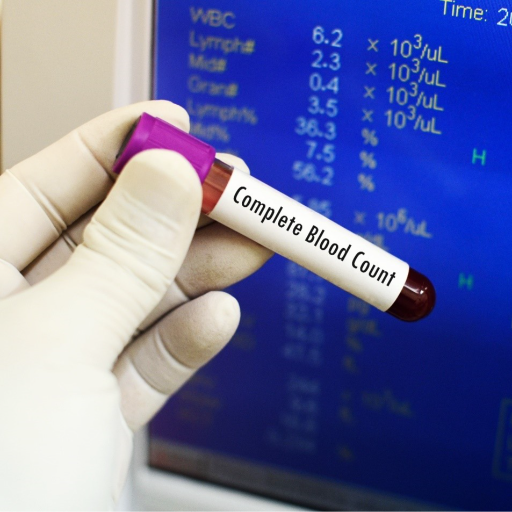
CBC BLOOD TEST in KALOL — REHANSHI DIAGNOSTICS
A CBC blood test stands for Complete Blood Count. It is a common blood test that measures the number and size of the different cells in your blood, including: * Red blood cells (RBCs): Carry oxygen. * White blood cells (WBCs): Fight infection and disease. * Platelets: Help your blood clot. * Hemoglobin and Hematocrit (measures related to red blood cells). Doctors use a CBC to check your overall health, help diagnose a wide range of conditions like anemia, infection, and some cancers, or monitor existing conditions or treatments.
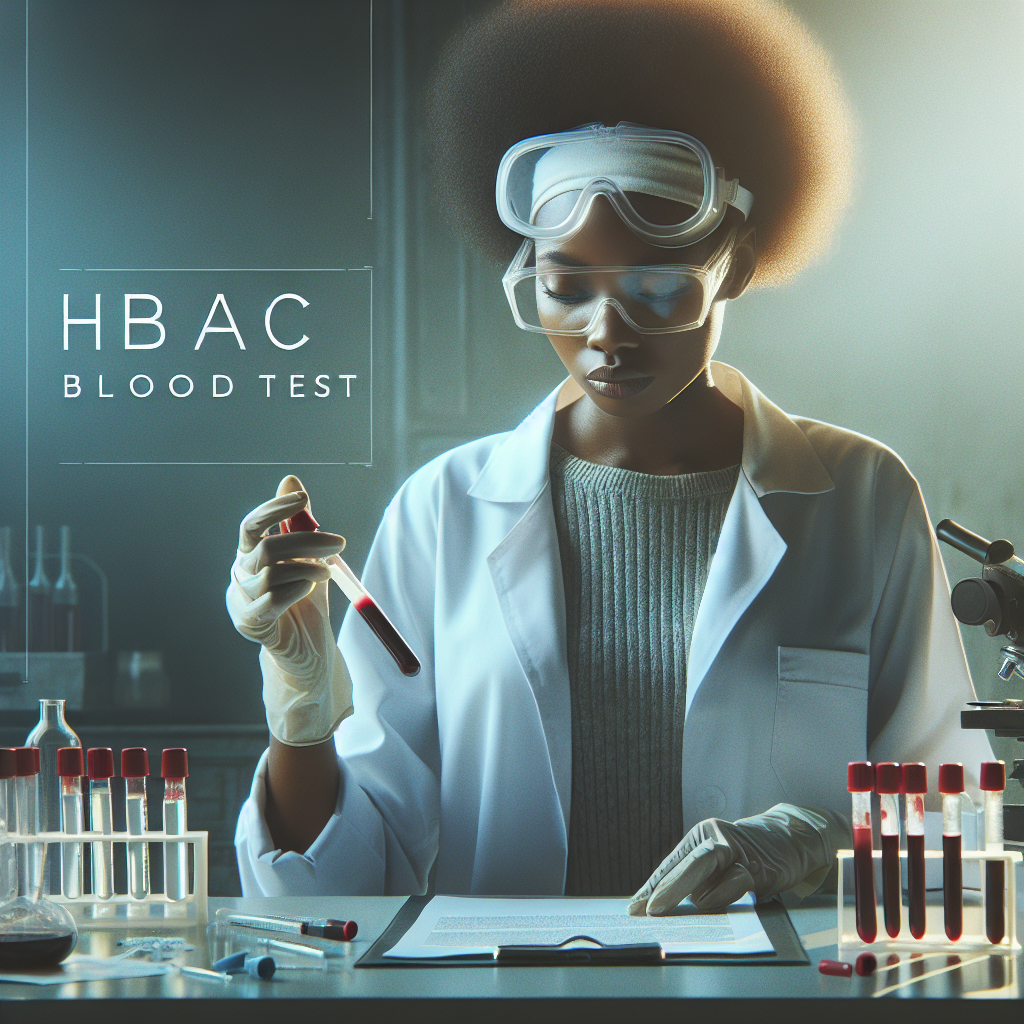
Hba1c blood test in KALOL — REHANSHI DIAGNOSTICS
The HbA1c (Hemoglobin A1c) test is a blood test that provides an average of your blood glucose (sugar) levels over the past two to three months. It measures the percentage of your red blood cells that have sugar-coated hemoglobin, a protein that carries oxygen. This test is a crucial tool for diagnosing prediabetes and type 2 diabetes. It is also used to monitor how well a person with diabetes is managing their condition. Unlike a regular blood glucose test which shows a single snapshot, the HbA1c provides a longer-term picture. No fasting is required for the test, as it's not affected by recent food intake. Normal HbA1c is below 5.7%. Prediabetes is a result of 5.7% to 6.4%, while a diagnosis of diabetes is typically made with a result of 6.5% or higher.
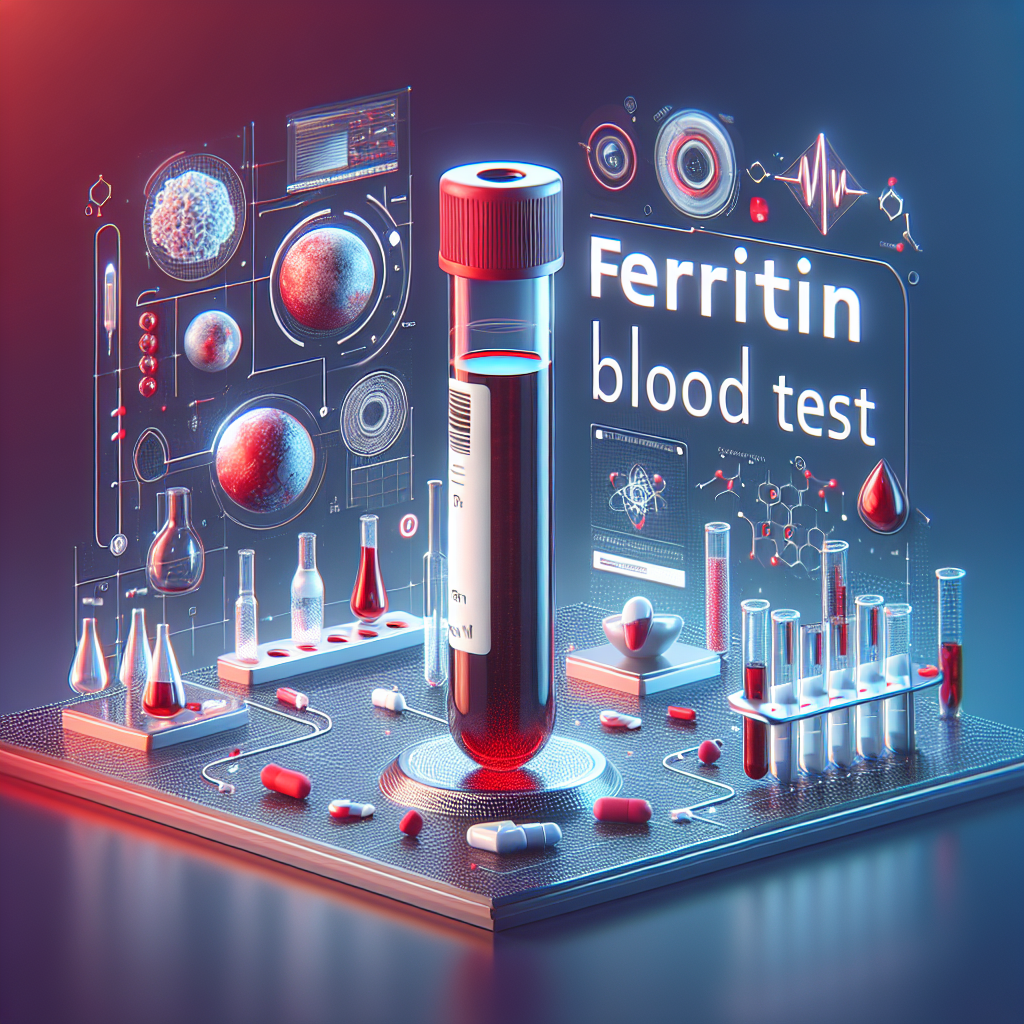
Ferritin Blood Test in Kalol and Gandhinagar | Accurate
Know Your Iron Levels with Precision A Ferritin Blood Test helps determine the amount of iron stored in your body. Whether you're facing unexplained fatigue, dizziness, or symptoms of anemia, testing your ferritin levels can reveal vital information about your health. At Rehanshi Diagnostics, we offer accurate, affordable, and same-day ferritin testing across Kalol, Gandhinagar, and nearby areas. 🧪 Why Ferritin Testing is Important Ferritin is a key protein that stores iron in your body. Both low and high ferritin levels can indicate underlying health conditions: Low Ferritin → Iron deficiency, anemia, fatigue, weakness High Ferritin → Inflammation, liver disease, iron overload (hemochromatosis) A ferritin test is often recommended for: Chronic tiredness Pale skin or dizziness Diagnosing anemia or liver issues Monitoring treatment effectiveness 🏥 Why Choose Rehanshi Diagnostics? ✅ Trusted by 300+ patients in Kalol & Gandhinagar ✅ NABL-Grade Accuracy using advanced testing equipment ✅ Same-Day Reporting in most cases ✅ Free Home Sample Collection available in Kalol, Ambikanagar, and Gandhinagar sectors ✅ Dedicated team of lab technicians and customer support staff Test Price Ferritin Test Starting at ₹650 Combine with other tests like: CBC Test Blood Sample Collection From Home B12 Test Areas We Serve We offer lab visits and home collection across: 📍 Kalol 📍 Gandhinagar (Sector 10, 21, Kudasan, Infocity, etc.) 📍 Ambikanagar and nearby localities Book your Ferritin Blood Test in Kalol or Gandhinagar now.
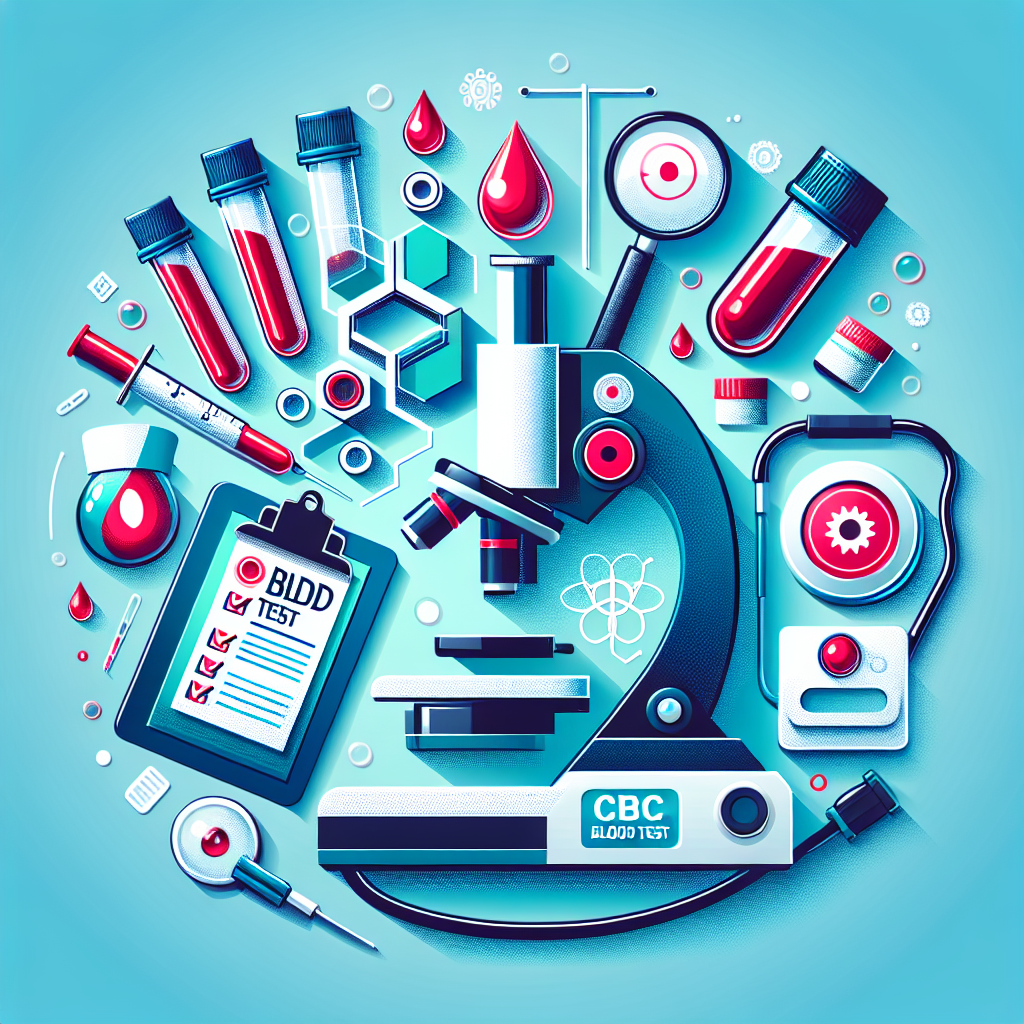
CBC Blood Test in Kalol in KALOL — REHANSHI DIAGNOSTICS
H2: CBC Blood Test in Kalol – Accurate, Quick & Affordable Need a CBC blood test in Kalol? At Rehanshi Diagnostics, we provide fast and reliable Complete Blood Count (CBC) testing using modern equipment. ✅ Same-day results ✅ Home sample collection available ✅ Affordable pricing with festive offers ✅ NABL-compliant lab, trusted by 300+ families 💬 Call now or WhatsApp us to book your CBC test in Kalol. FAQs Q: Can I book a CBC test online in Kalol? A: Yes! You can easily book your CBC test online or via WhatsApp. Home collection is also available. Q: How long does it take to get CBC test results? A: Typically, we provide same-day reports within a few hours of sample collection. Which areas do you offer home collection in? A: We serve all of Kalol, Ambikanagar, and nearby locations with doorstep sample pickup. We proudly serve patients across Kalol, Ambikanagar, and surrounding areas with fast, reliable diagnostic services
View Details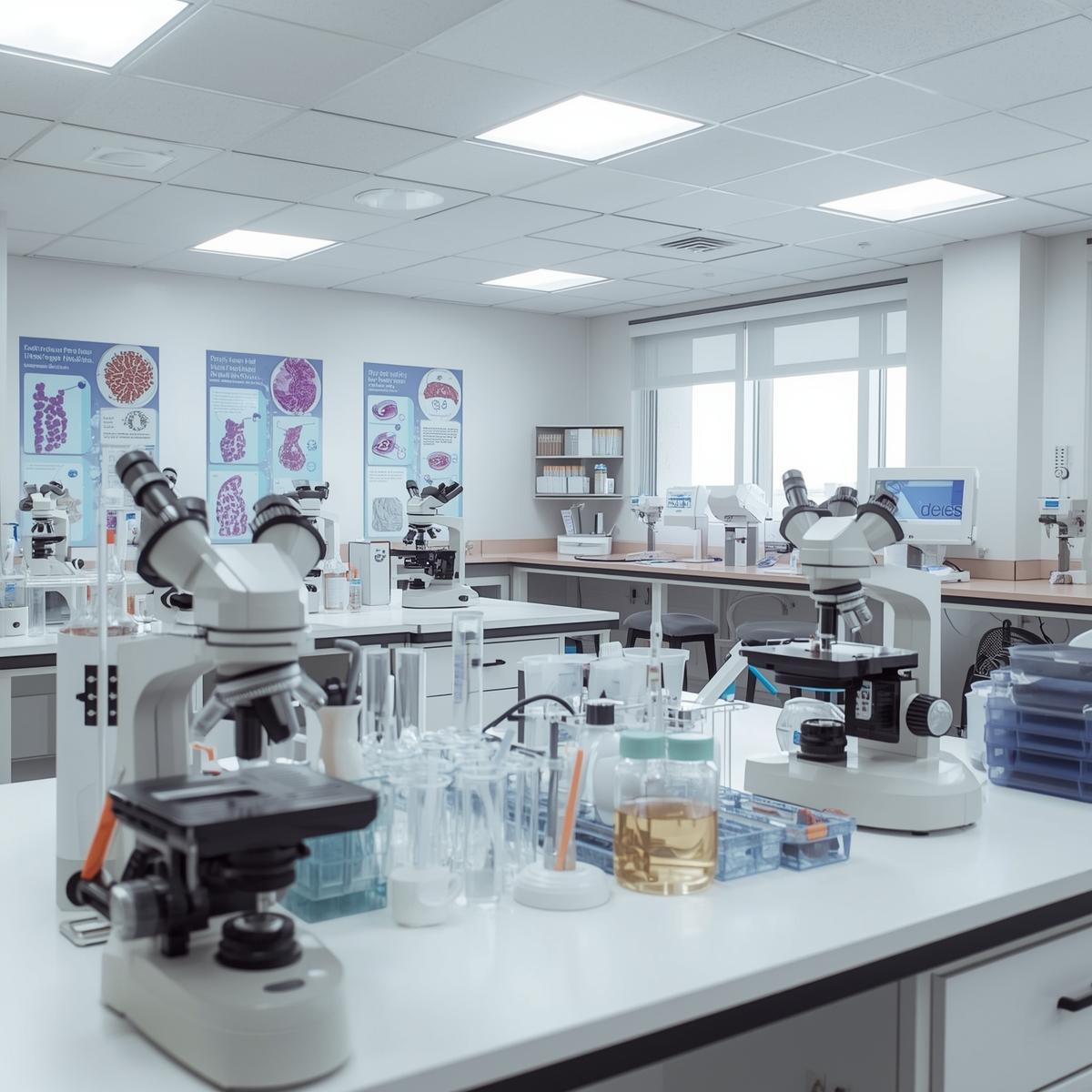
Best Laboratory Near Me in Kalol — REHANSHI DIAGNOSTICS
Searching for the best laboratory near you in Kalol? Rehanshi Diagnostics in Ambikanagar provides accurate tests, quick reports, and home blood sample collection. FAQ: Q: Which is the best laboratory near me in Kalol? A: Rehanshi Diagnostics is conveniently located in Ambikanagar, Kalol, and offers home sample collection for maximum convenience.
View Details
Home Collection Blood Test Kalol in KALOL — REHANSHI
At Rehanshi Diagnostics, we understand the importance of comfort and convenience. That’s why we offer home blood sample collection in Kalol. Our trained professionals visit your home, collect samples safely, and deliver accurate reports on time. Whether you need routine blood tests, thyroid checks, or diabetes screening, you can now get tested without leaving your home. 🔹 FAQ Additions Q: Do you provide home blood sample collection in Kalol? A: Yes, Rehanshi Diagnostics offers convenient home blood sample collection across Kalol and nearby areas. Q: Is there an extra charge for home sample collection? A: Our home collection service is affordable, with minimal or no extra cost depending on the test package.
View Details
Pathology Laboratory Kalol in KALOL — REHANSHI DIAGNOSTICS
Searching for a reliable pathology laboratory in Kalol? Rehanshi Diagnostics, located in Ambikanagar, is your trusted partner for accurate medical testing. From routine blood tests to advanced diagnostic services, we serve patients across Kalol with quick reports, affordable pricing, and expert care. FAQ Q: Which is the most trusted pathology laboratory in Kalol? A: Rehanshi Diagnostics in Ambikanagar, Kalol, is known for accurate testing, affordable prices, and fast reporting. Q: What services does your pathology lab in Kalol offer? A: We provide blood tests, thyroid profiles, diabetes screening, and a wide range of diagnostic services.
View Details
Our Services in KALOL — REHANSHI DIAGNOSTICS
Complete Blood Count (CBC) Diabetes Profile (Fasting/PP, HbA1c) Thyroid Profile (T3, T4, TSH) Lipid Profile Liver & Kidney Function Tests (LFT/KFT) Vitamin D & B12 Urine & Stool Analysis Home Sample Collection (Ambikanagar, Kalol)
View Details
Popular Health Packages in KALOL — REHANSHI DIAGNOSTICS
Basic Health Checkup – CBC, FBS, TSH, Urine • Fasting: 8–10 hrs • TAT: Same day Advanced Health Checkup – CBC, LFT, KFT, Lipid, HbA1c, Thyroid • Fasting: 10–12 hrs • TAT: 24 hrs Executive Full Body – Advanced + Vitamin D, B12, Iron Studies • TAT: 24–48 hrs
View Details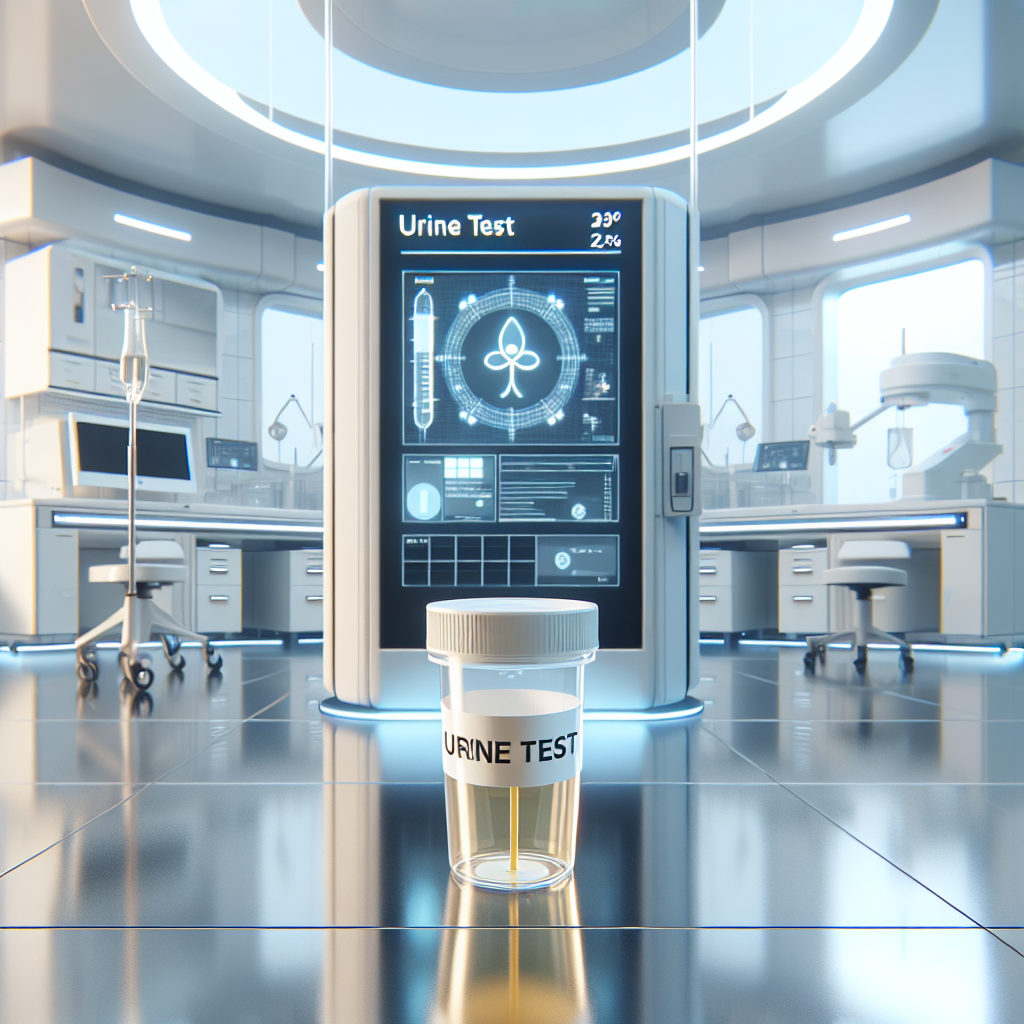
Urine test in KALOL — REHANSHI DIAGNOSTICS
Our urine test service offers a convenient and hygienic way for individuals ranging from 18 to 70 to monitor their health. Get quick and accurate results with our specialized testing methods.

Medical laboratory in KALOL — REHANSHI DIAGNOSTICS
Our cutting-edge medical laboratory provides hygienic and accurate testing services for individuals ages 18 to 70. Trust us for reliable results and top-notch care for all your healthcare needs. Choose our lab for precise testing and peace of mind.

Pathology laboratory in KALOL — REHANSHI DIAGNOSTICS
Our Pathology Laboratory offers hygienic and reliable testing services for individuals aged 18 to 70. Get accurate results and peace of mind with our state-of-the-art facility.
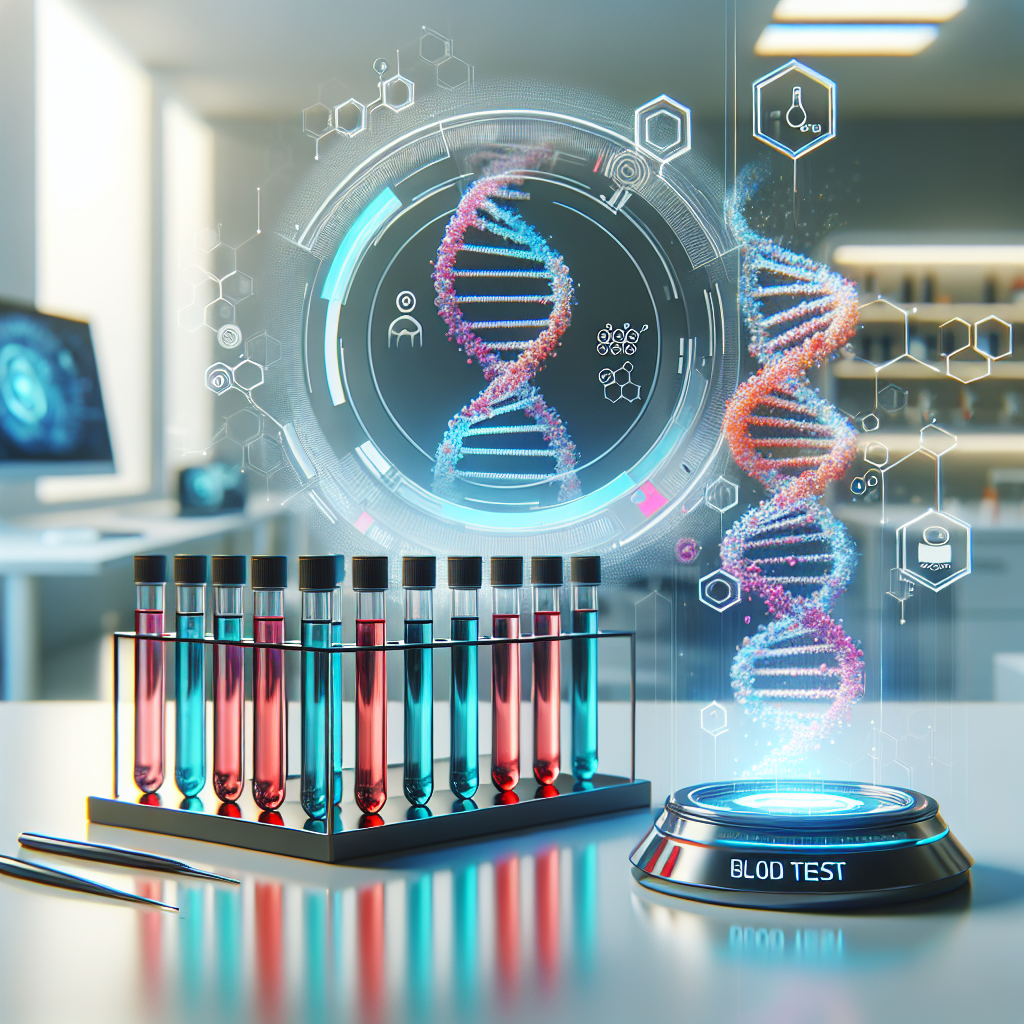
Blood test in KALOL — REHANSHI DIAGNOSTICS
Get a hygienic blood test service tailored for individuals aged 18 to 70. Experience accurate results in a clean and safe environment. Contact us today for a hassle-free testing experience.


 Select Date
 08:00 AM - 08:30 AM, Thursday, Nov 24, 2024
 Indian Standard Time
 Shahanab